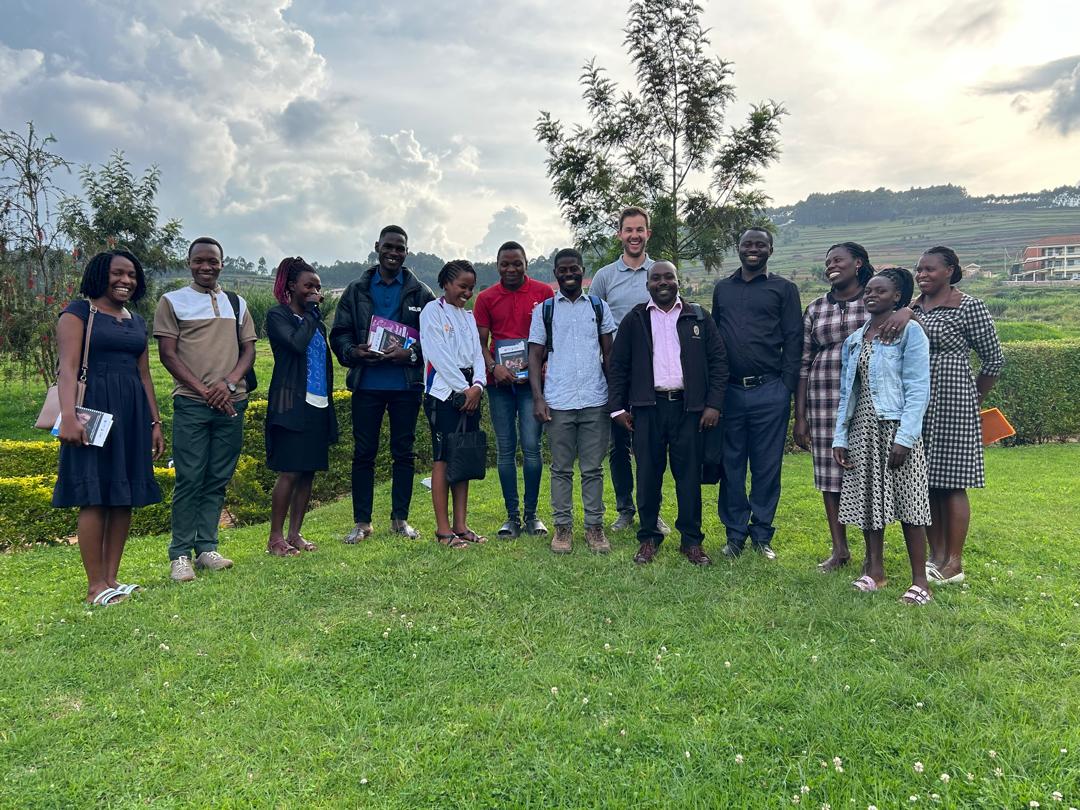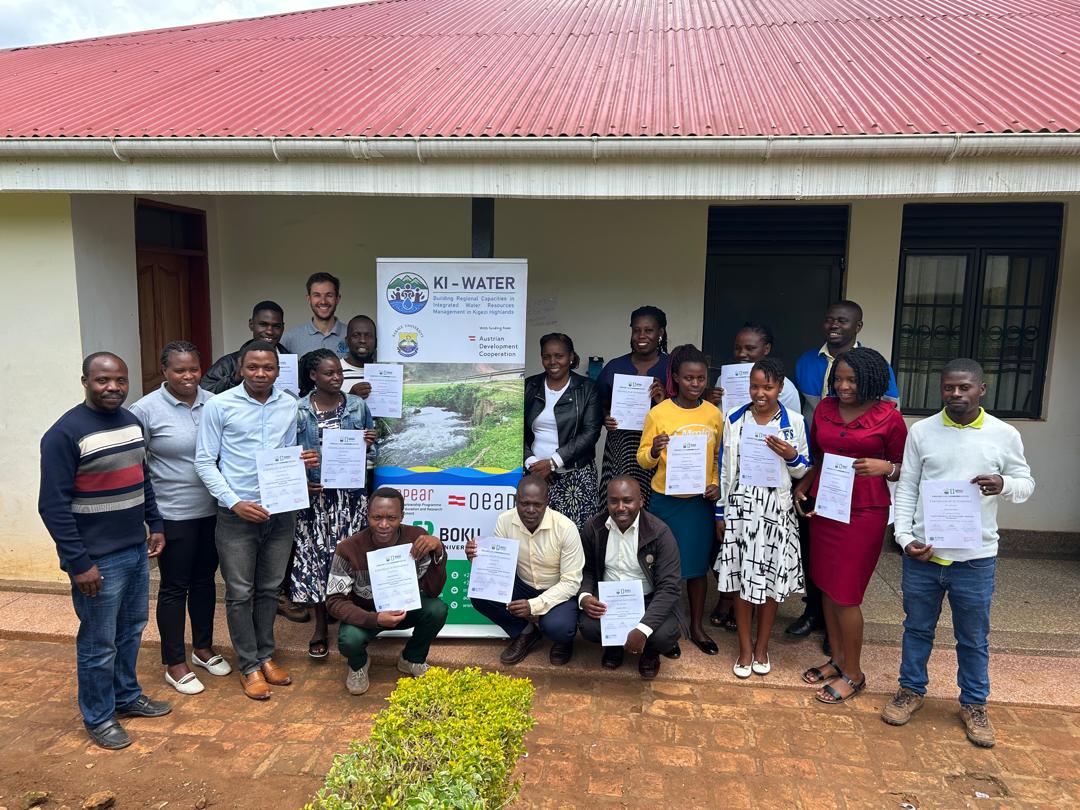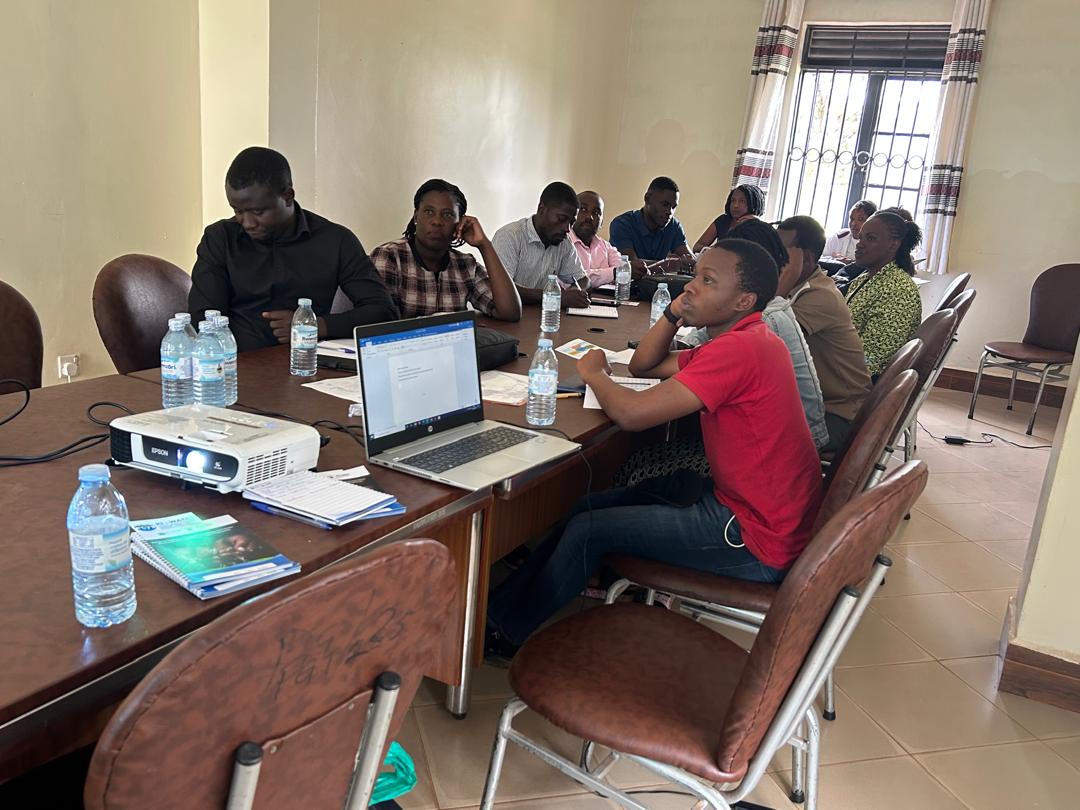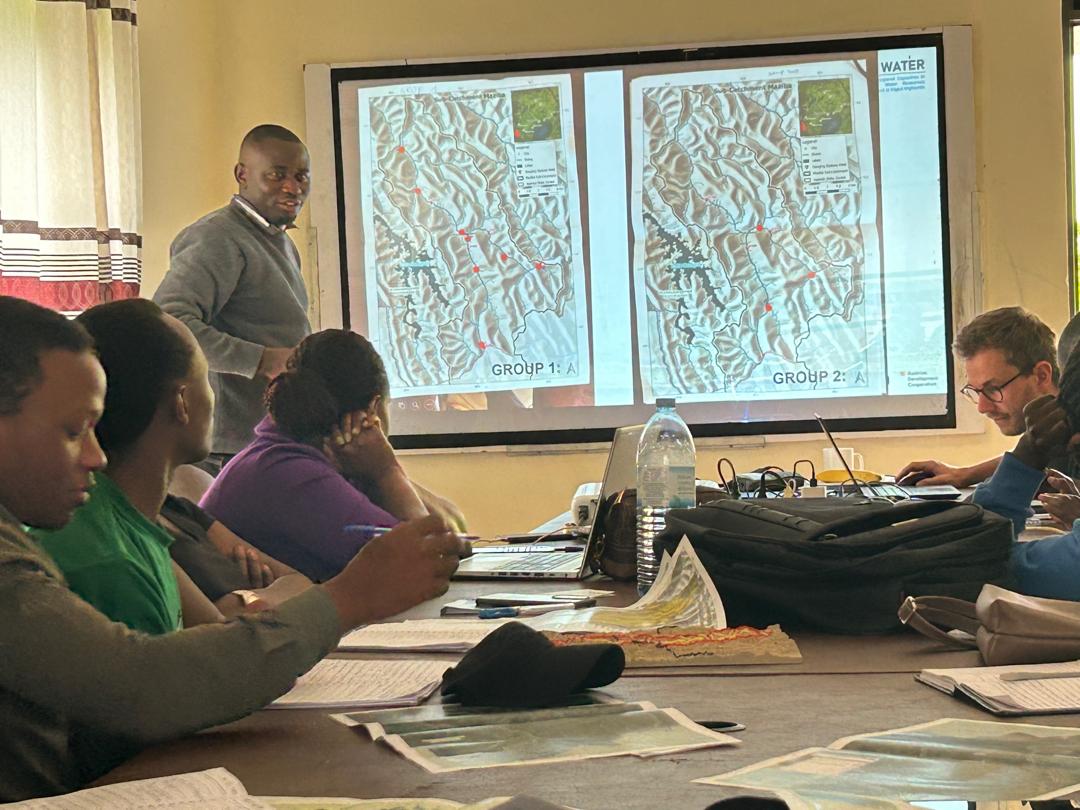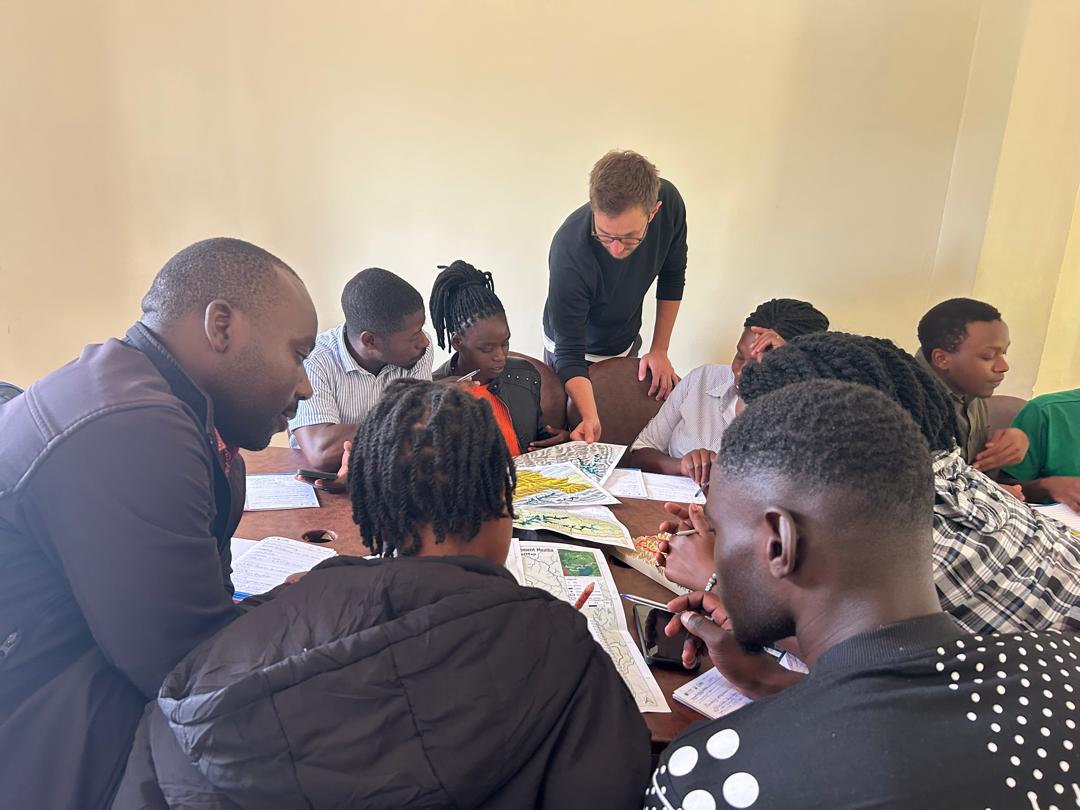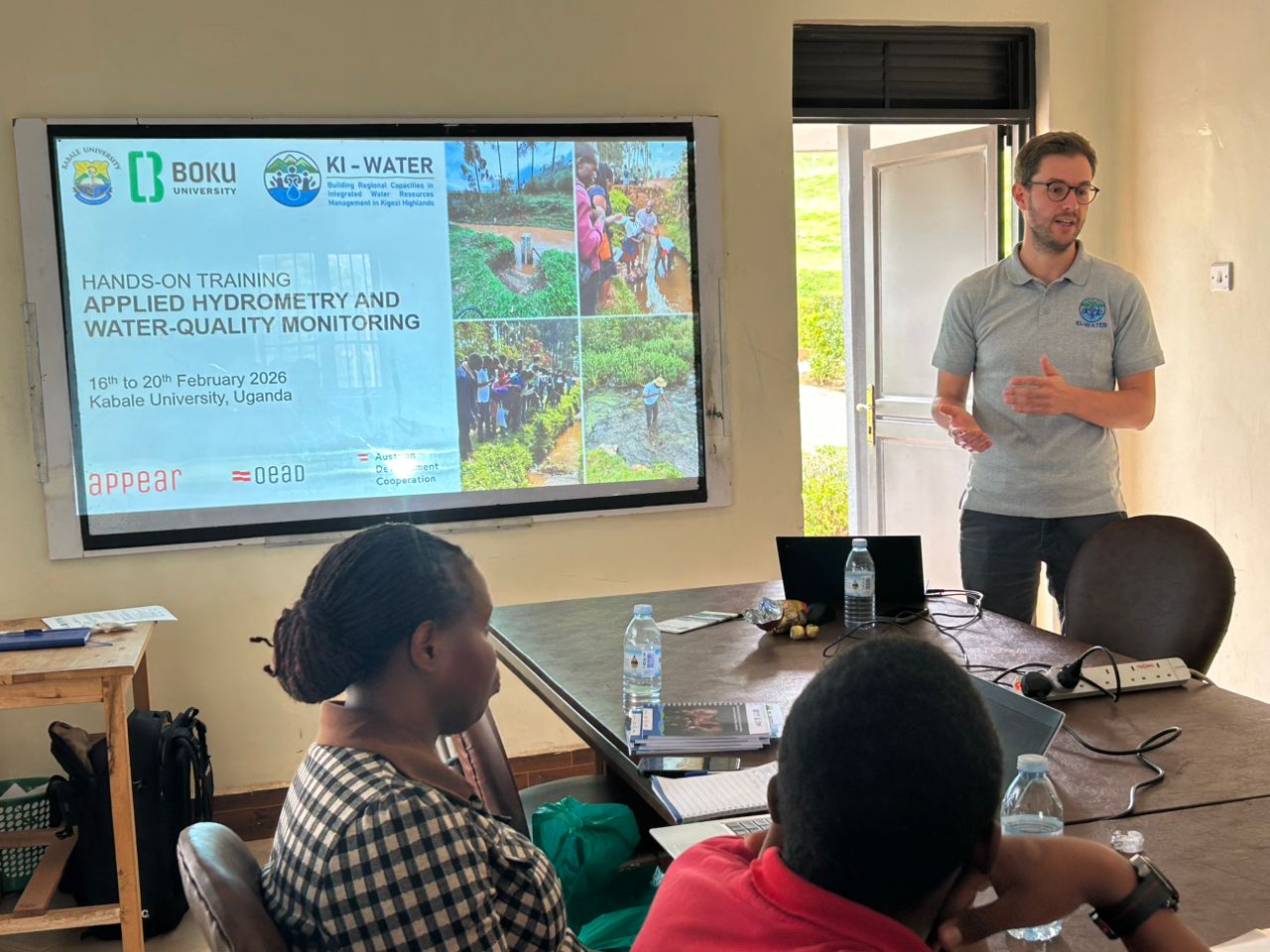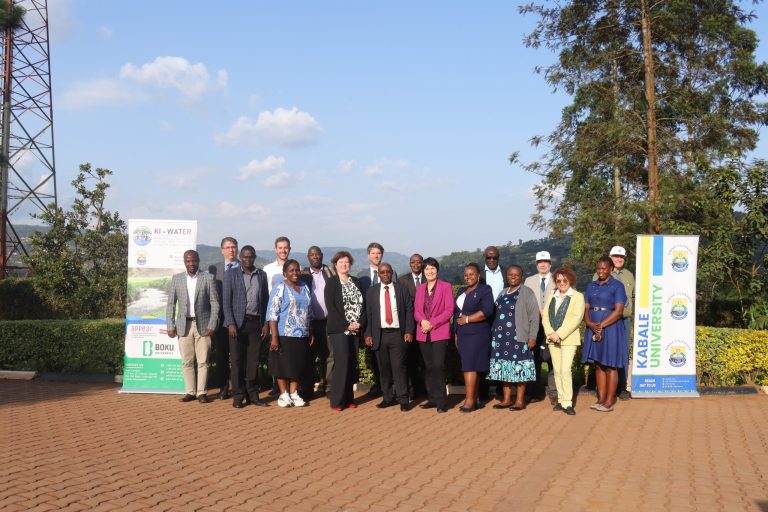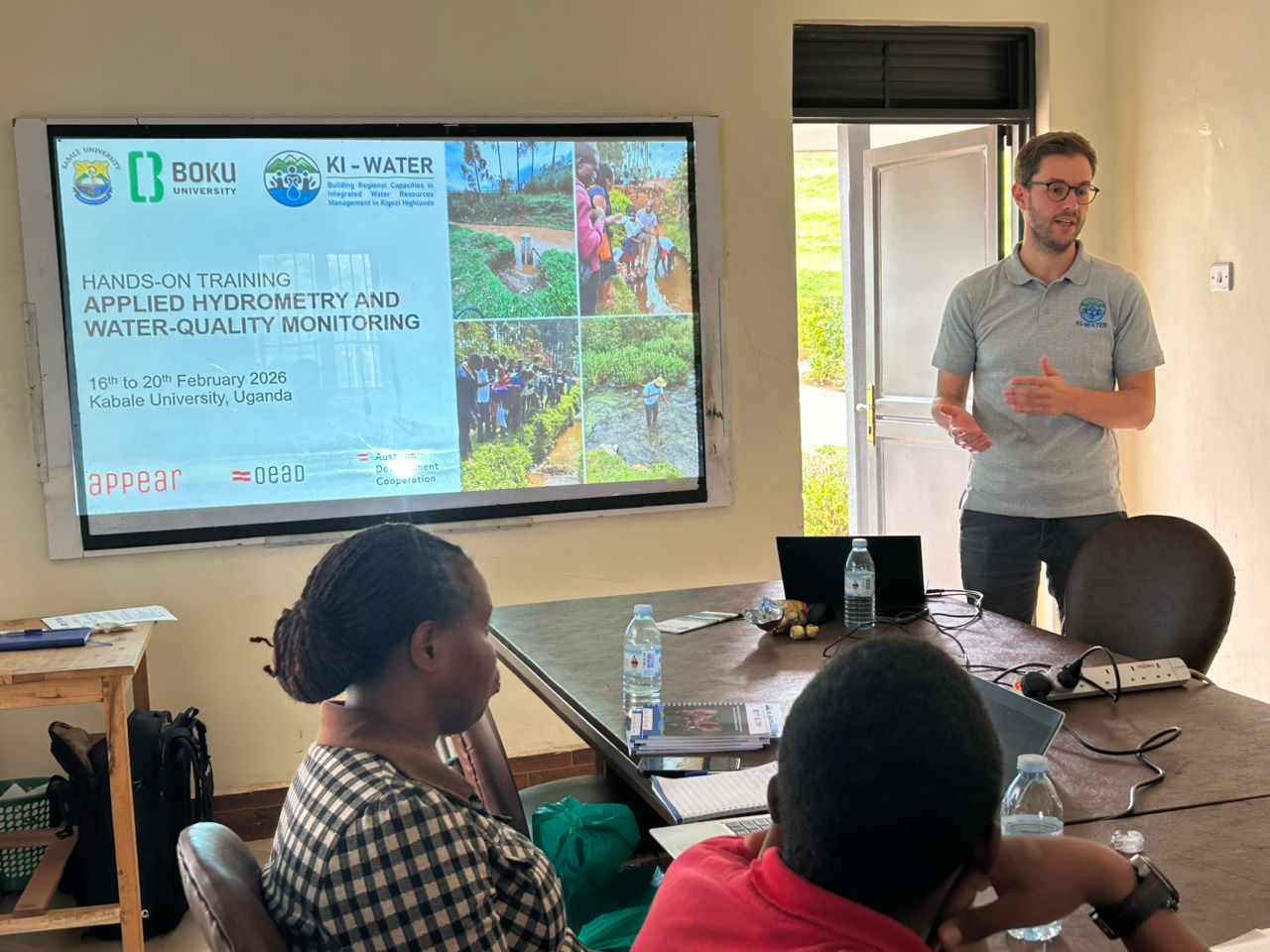
From 16 to 20 February 2026, Kabale University hosted a five-day hands-on training course on applied hydrometry and water-quality monitoring under the KI-WATER project, in collaboration with the University of Natural Resources and Life Sciences, Vienna (BOKU). The training brought together fifteen Master’s students and academic staff from the Department of Environmental Sciences to strengthen practical competencies in freshwater monitoring and Integrated Water Resources Management (IWRM). By focusing on postgraduate students, the short course contributes to sustained institutional capacity development in hydrology and water resources management.
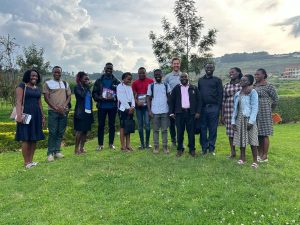
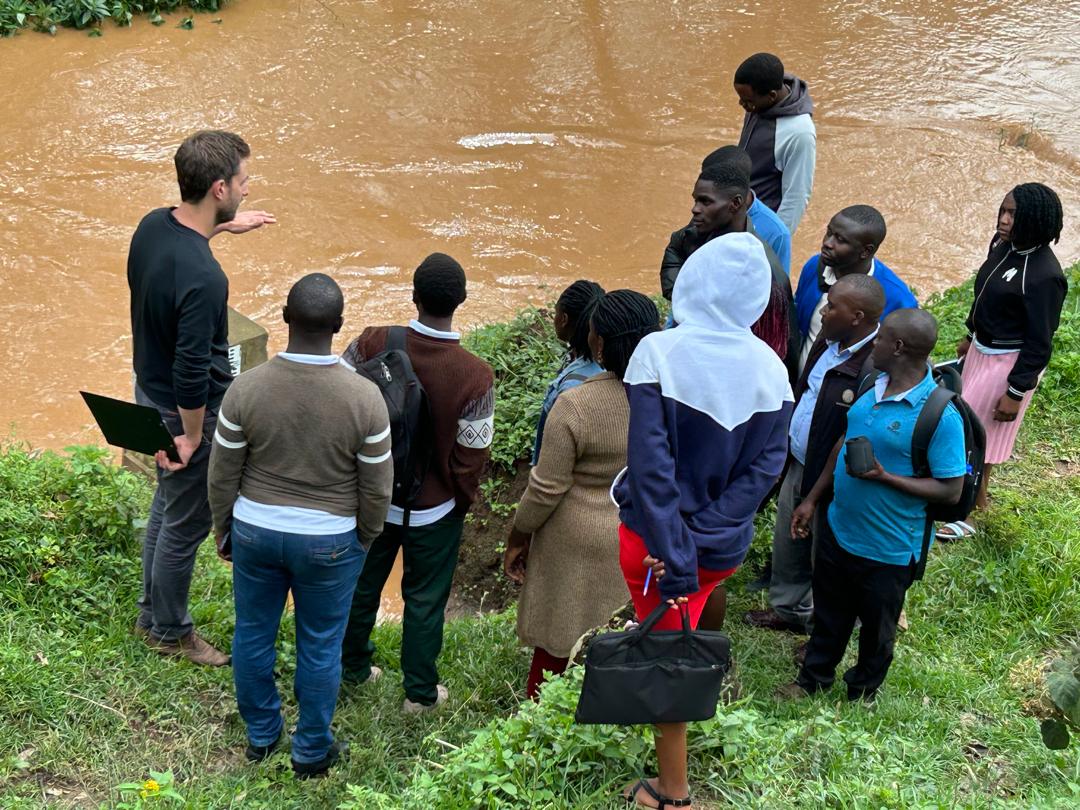
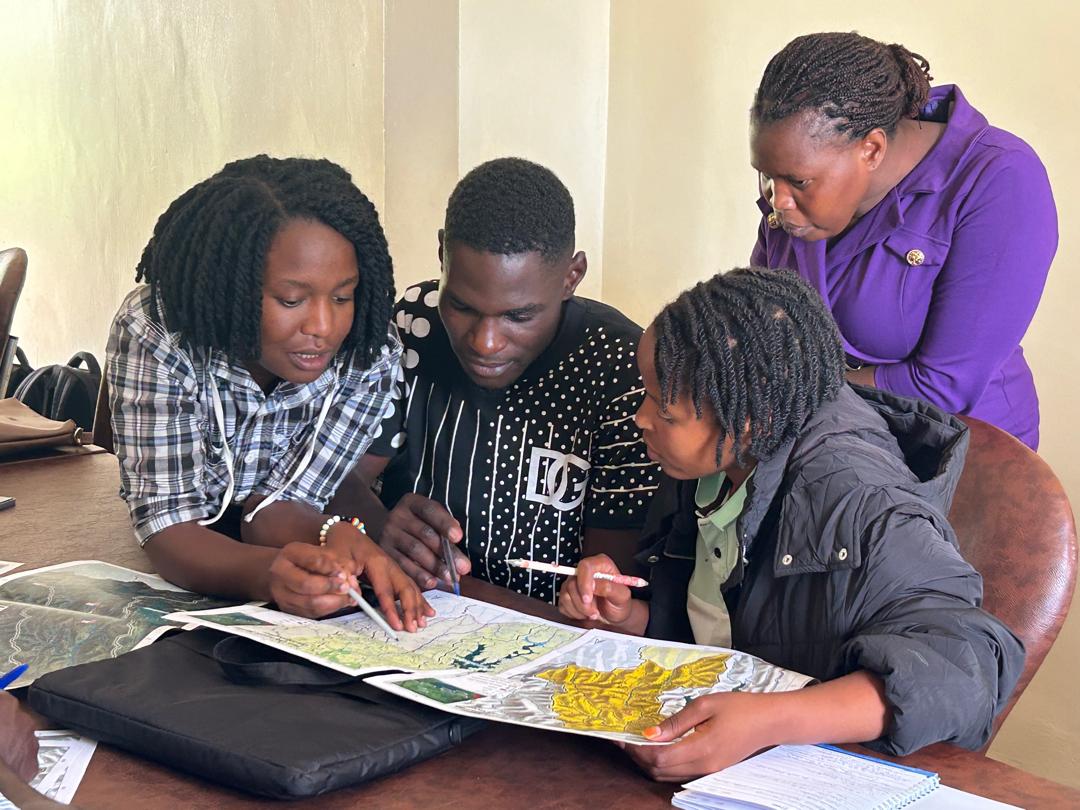
Freshwater systems in the Kigezi Highlands are essential for agriculture, domestic water supply, and ecosystem stability. Effective management of these systems depends on reliable data on stream discharge and water quality. The KI-WATER training was therefore designed to equip participants with the technical skills required to plan, implement, and interpret structured monitoring campaigns under real field conditions. The training programme combined focused theoretical sessions with extensive field and laboratory work. Rather than relying solely on lecture-based instruction, the course emphasized active learning. Short conceptual inputs introduced hydrometric principles, monitoring design, and quality assurance procedures. Participants learned how to identify suitable monitoring sites within a catchment and how to develop spatial and temporal sampling plans aligned with clearly defined objectives. Key concepts of Integrated Water Resources Management and the Sustainable Development Goals were introduced to frame monitoring activities within broader governance and sustainability perspectives.
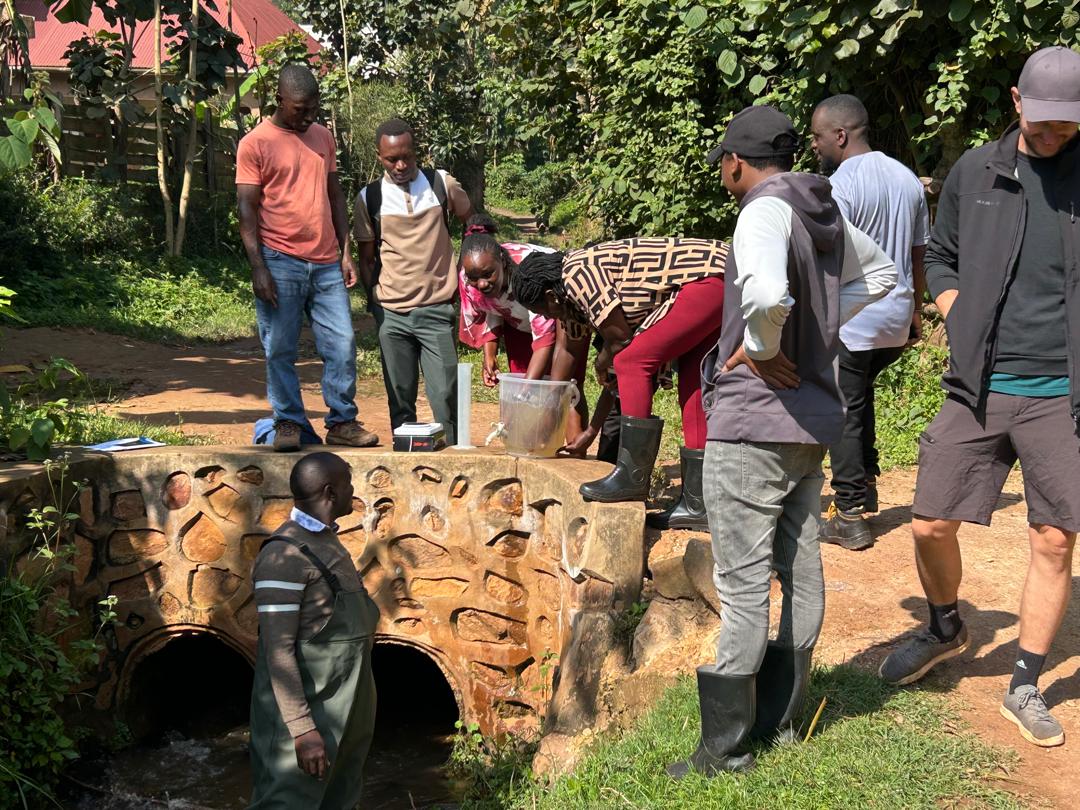
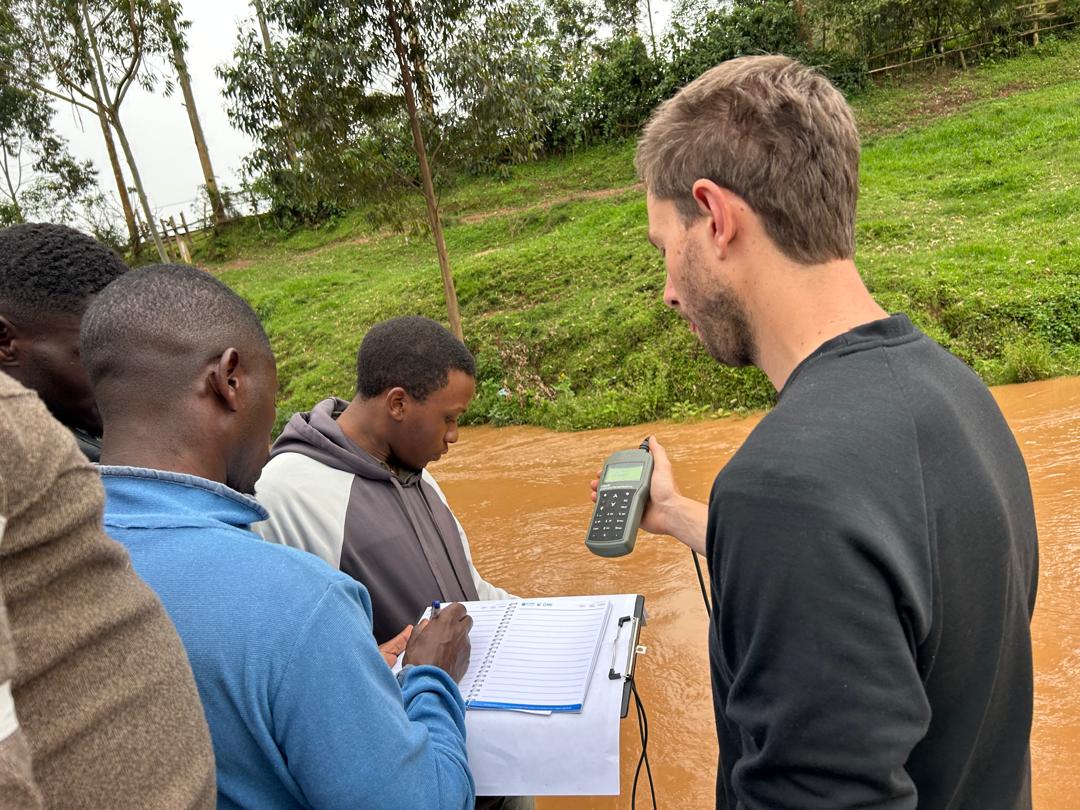
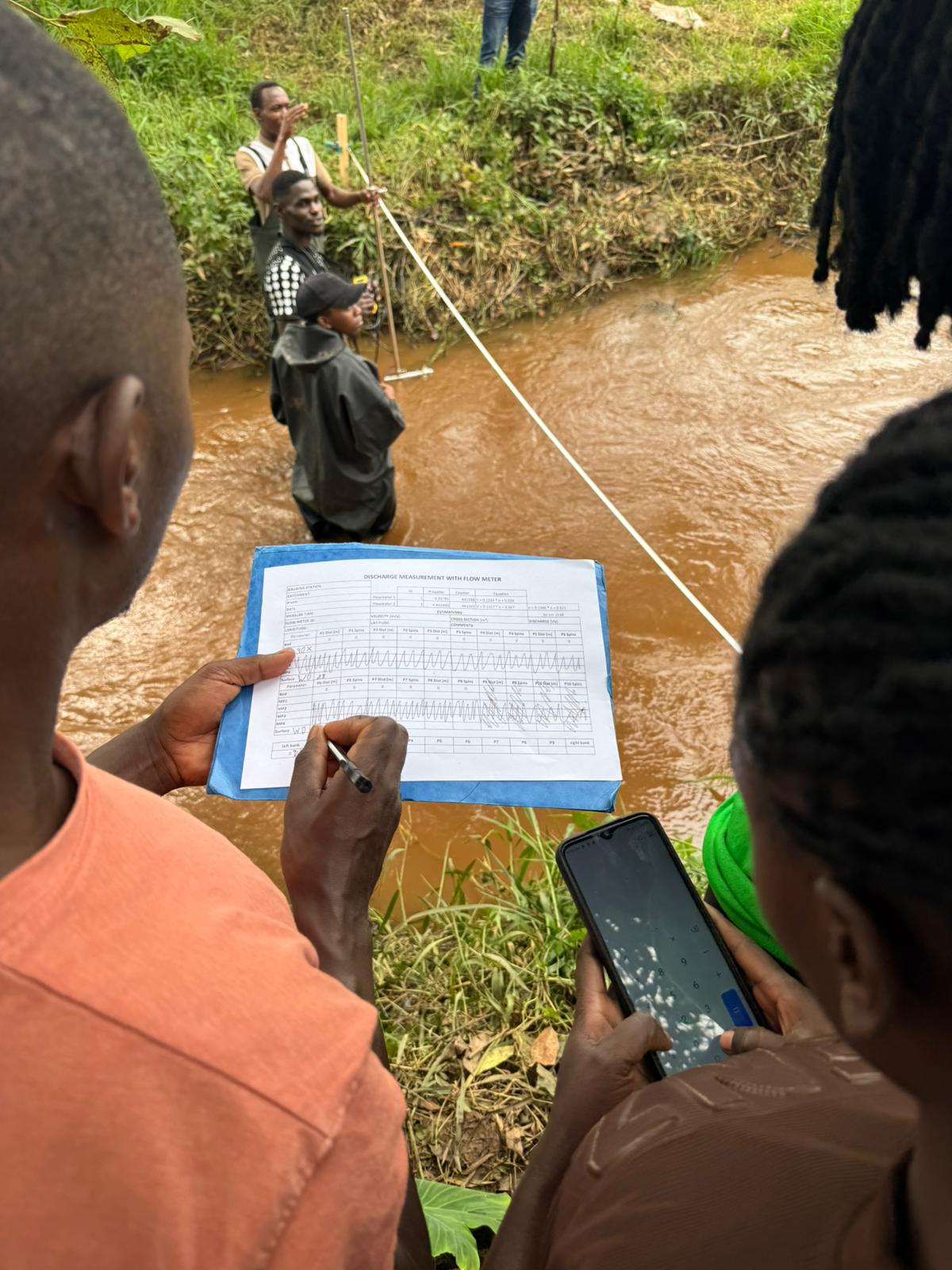
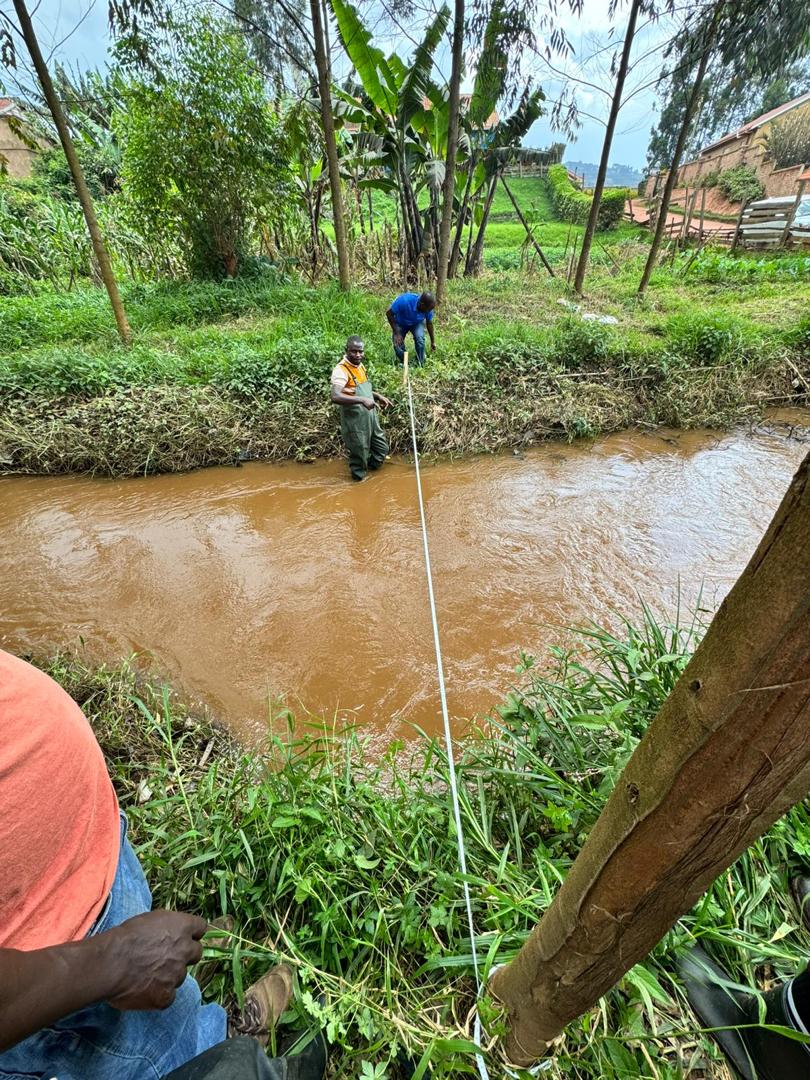
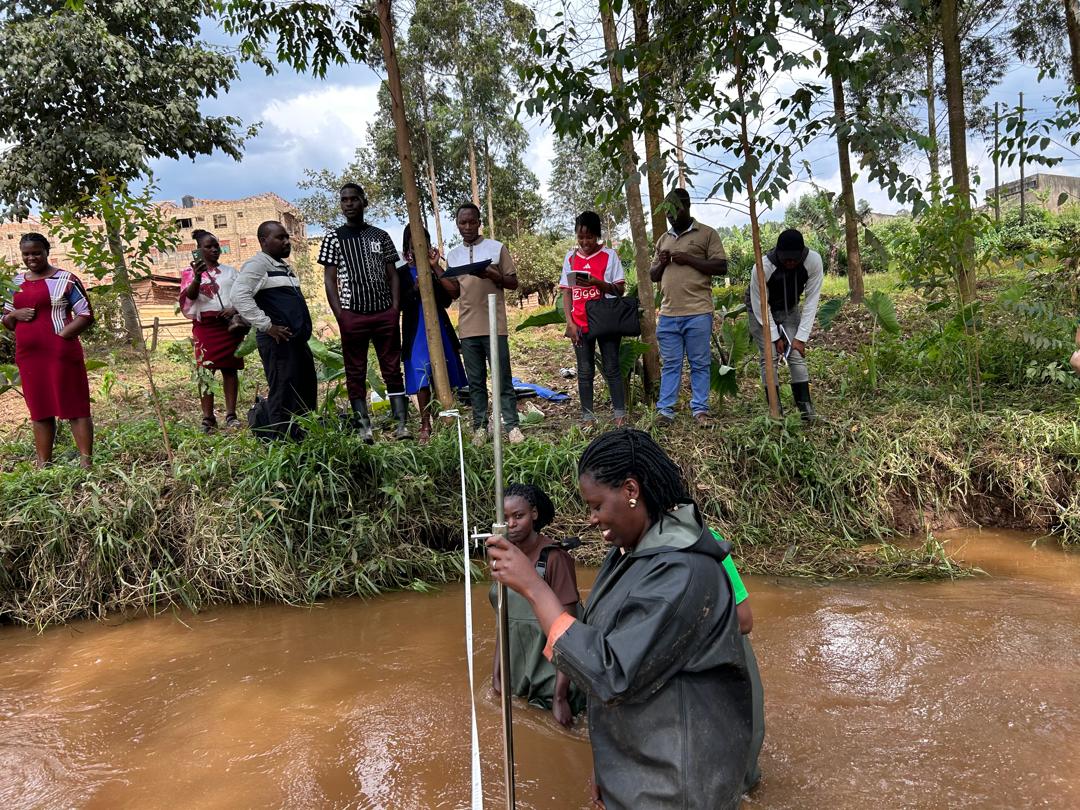
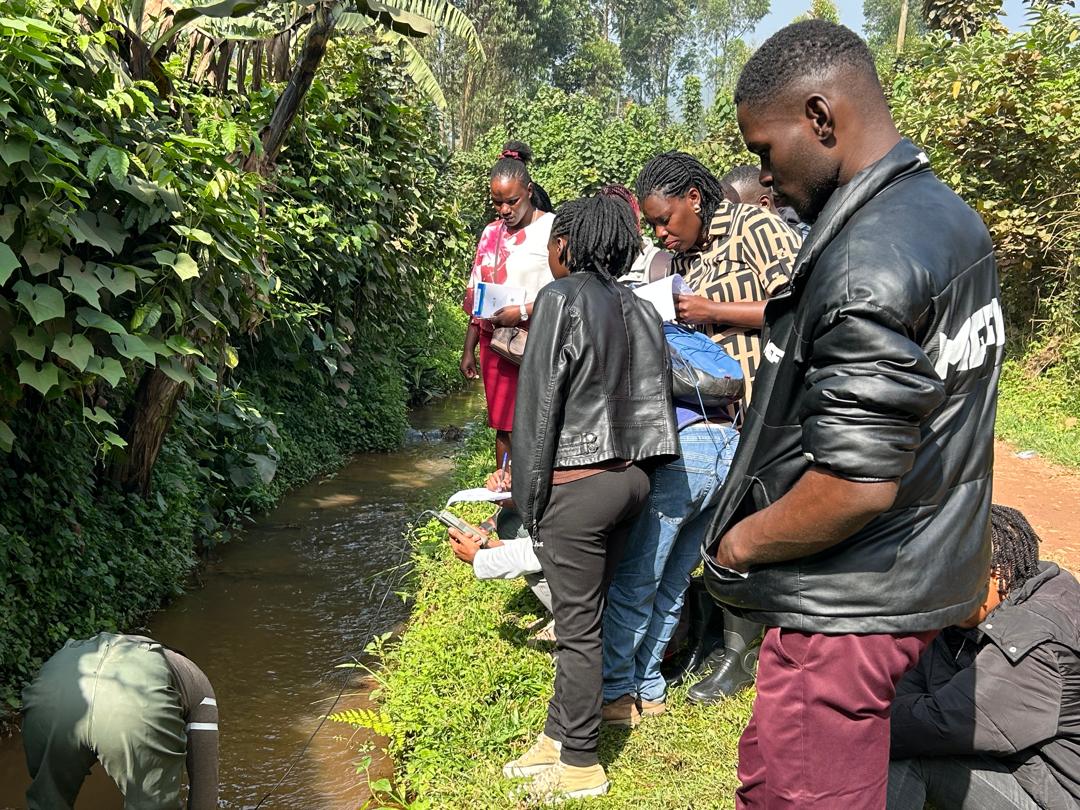
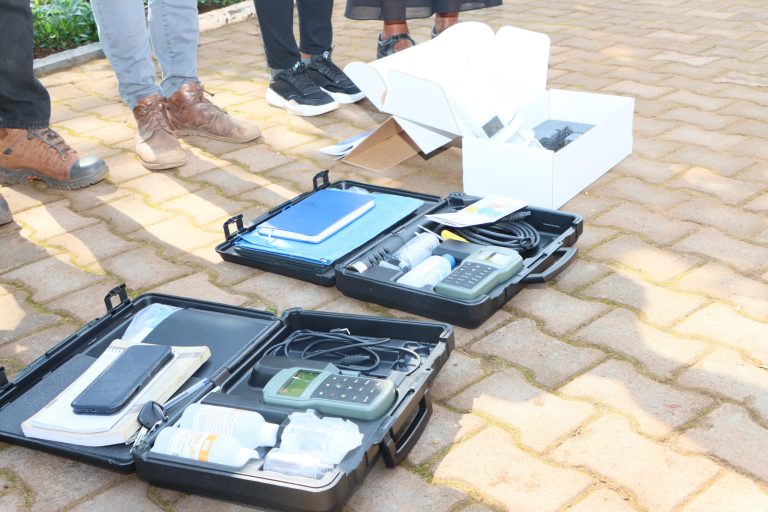
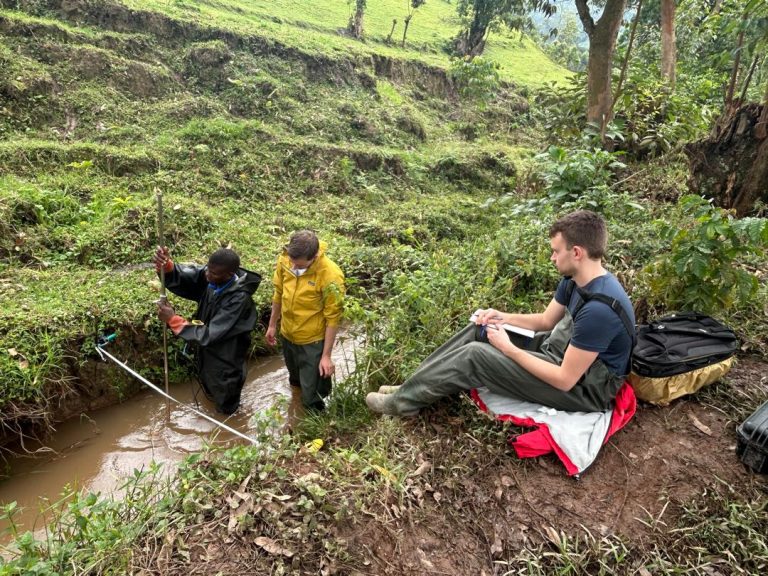
A central component of the training was field-based hydrometry. Participants established river cross-sections, measured channel width and depth, and applied the velocity–area method to calculate stream discharge. Flow velocity was measured using hydrometric propellers, allowing participants to assess how channel morphology and bed roughness influence flow dynamics. In addition, the demonstration of the salt dilution method provided additional insight into discharge estimation techniques. In parallel, in-situ water-quality monitoring was conducted using portable instruments to measure parameters such as pH, temperature, electrical conductivity, dissolved oxygen, redox potential, and total dissolved solids.
On the final day, Particular emphasis was placed on quality assurance and quality control (QA/QC), including instrument calibration and structured field protocols to ensure reliability and comparability of data. The training emphasized that effective water management requires not only accurate measurement, but also sound data interpretation and clear reporting. Through this hands-on course, students and academic staff strengthened their ability to conduct hydrometric and water-quality monitoring and to apply these competencies in research projects, field studies, and classroom instruction. The practical nature of the training ensures that participants can immediately integrate these skills into ongoing and future academic activities.
A key objective of the KI-WATER project is to integrate this course permanently into the Master of Science in Environment and Natural Resources programme at Kabale University. The acquisition of professional hydrometric and water-quality monitoring equipment through the project further enhances the university’s capacity to conduct high-quality field research. By combining applied training with modern equipment and international collaboration, Kabale University is reinforcing its role as a growing centre of expertise in freshwater research in Uganda.