Uganda’s freshwater systems, including lakes, rivers, wetlands, and aquifers, form the foundation of the country’s water security, food production, biodiversity, and climate resilience. These ecosystems regulate floods and droughts, sustain agriculture and fisheries, and underpin both rural and urban livelihoods. Yet, across the nation, freshwater resources are under growing pressure from land-use change, population growth, pollution, and climate variability. Nowhere is this more evident than in the rapid loss and degradation of wetlands, which continue to weaken Uganda’s natural ability to buffer floods and secure water during dry seasons.
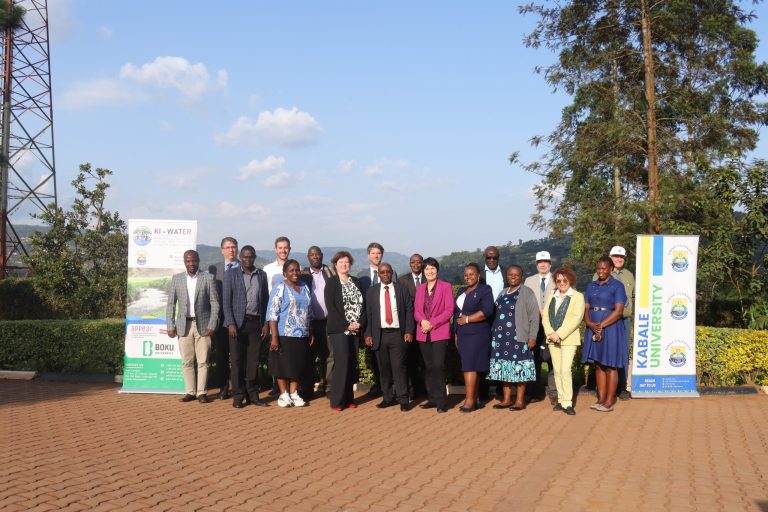
It is within this urgent environmental context that the Freshwater Resources and Ecosystems – Research Group (FRE-RG) operates. Anchored at Kabale University, FRE-RG brings together scientists, students, policymakers, and communities to generate practical, evidence-based solutions for sustainable freshwater management in Uganda’s tropical highland regions and beyond.
A Research Group Built for Impact
FRE-RG was established to address a significant gap in Uganda’s research landscape: the lack of integrated freshwater science that connects catchment hydrology, aquatic ecology, and climate adaptation within one coordinated framework. Too often, water challenges are studied in isolation. FRE-RG takes a different approach by examining how land use, rivers, wetlands, groundwater, biodiversity, and climate interact across entire landscapes.
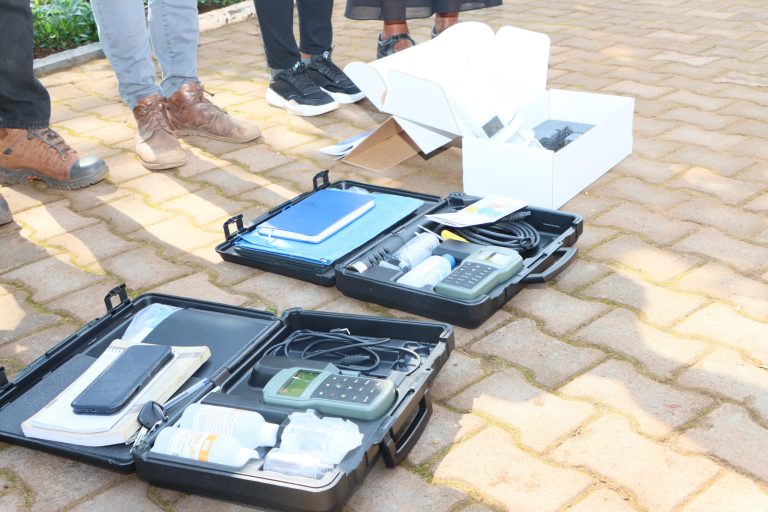
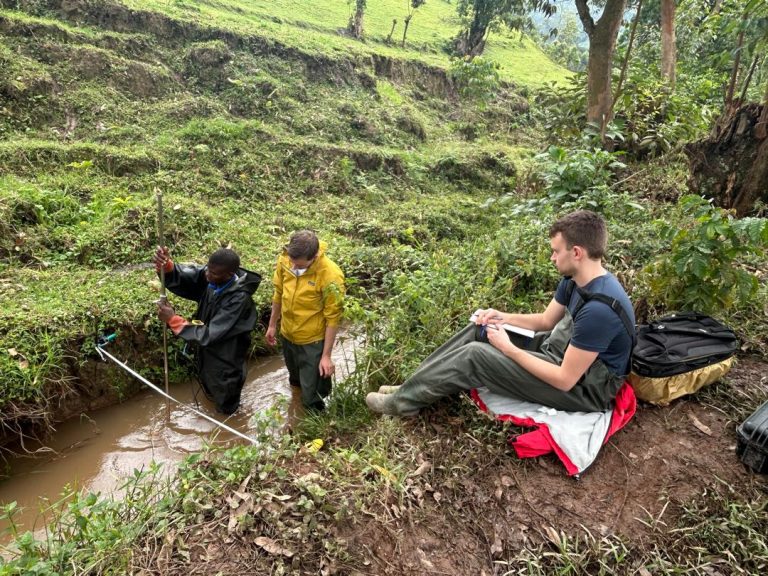
Through this integrated lens, the group generates high-quality scientific evidence that directly informs policy, restoration planning, climate adaptation strategies, and sustainable development initiatives. At the same time, FRE-RG invests heavily in the training of students and early-career scientists, equipping the next generation with the technical, analytical, and field-based skills needed to address real-world environmental challenges.
Research That Responds to Real Community Needs
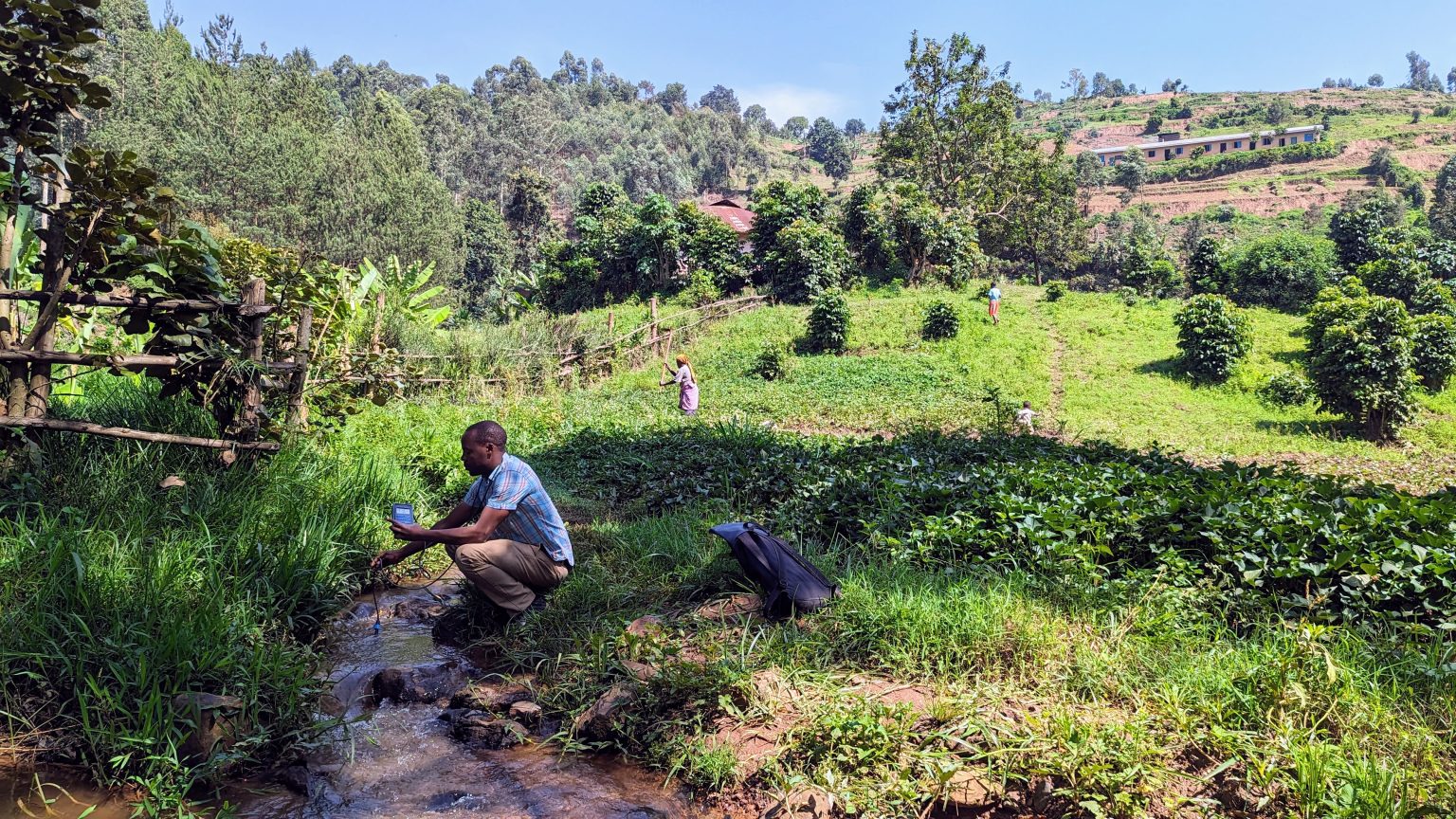
Uganda’s highland catchments support millions of people, yet they are highly vulnerable to soil erosion, declining water quality, wetland degradation, and extreme climate events. FRE-RG works closely with local governments, community groups, farmers, conservation actors, and water users to ensure that research does not remain in laboratories and reports alone.
By blending scientific methods with local knowledge, FRE-RG co-develops solutions that are practical, culturally relevant, and locally adoptable. From wetland restoration and riparian tree planting to community-based flood and drought monitoring systems, the group’s work translates science into tools that strengthen everyday resilience.
Three Pillars of Scientific Excellence
FRE-RG’s research portfolio is organized around three interconnected themes:
- Catchment Hydrology and Water Resources Assessment, which focuses on floods, groundwater, erosion, and surface water dynamics using field monitoring, satellite data, and hydrological modelling.
- Aquatic Ecosystems in Tropical Landscapes, which examines biodiversity, pollution, invasive species, and ecosystem health using biological indicators and trait-based bioassessment.
- Climate Variability, Change and Adaptation, which advances ecosystem-based and community-centered adaptation strategies that strengthen water security and climate resilience.
Together, these themes ensure that FRE-RG addresses freshwater challenges holistically, from the headwaters to communities downstream.
Linking Universities, Policy, and Practice
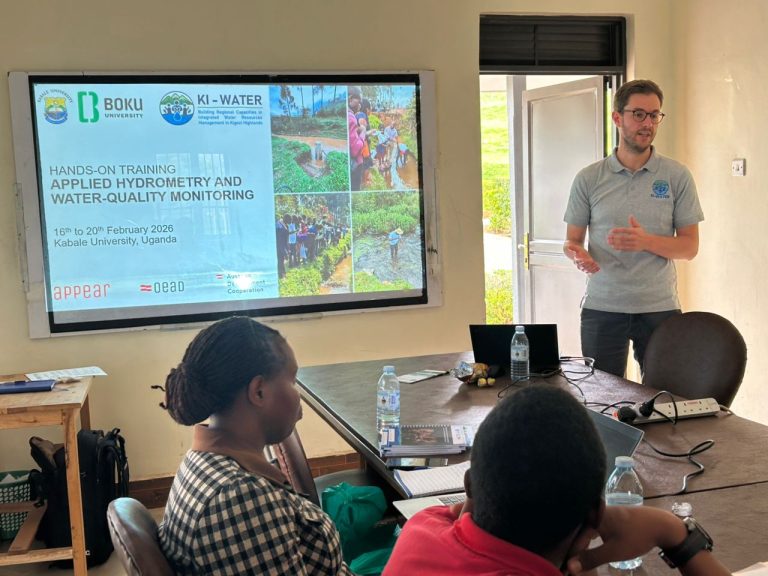
One of FRE-RG’s defining strengths is its ability to link academic research with policy and institutional application. Through major projects such as KI-WATER, SFR2CC, MaziWa, and Ishasha LIL, the group collaborates with international partners, government agencies, NGOs, and local institutions to build regional capacity in Integrated Water Resources Management (IWRM) and climate-resilient development.
FRE-RG also promotes open-access data and knowledge-sharing platforms, ensuring that research outputs are available to planners, educators, students, and communities. Policy briefs, scientific publications, training manuals, and community fact sheets are all part of the group’s knowledge ecosystem.
Investing in the Next Generation of Scientists
Capacity building lies at the heart of FRE-RG’s mission. Through postgraduate training, field schools, workshops, and targeted scholarships, the group nurtures skilled environmental scientists who combine technical expertise with community sensitivity. Strong emphasis is placed on gender inclusion, ensuring that women and youth are actively engaged in freshwater science and climate research.
This investment in people ensures that Uganda’s future water managers, planners, and researchers are not only technically competent but also socially responsive.
A Growing Platform for Regional Climate Resilience
As climate variability intensifies and freshwater pressures grow, the role of integrated research groups such as FRE-RG becomes increasingly critical. By bringing together science, training, and community partnerships under one platform, FRE-RG is helping to shape a more water-secure, climate-resilient, and ecologically balanced future for Uganda’s highland regions.
Through continued collaboration, innovation, and evidence-based action, FRE-RG stands as a model of how universities can drive sustainable freshwater stewardship in Africa’s most vulnerable landscapes.