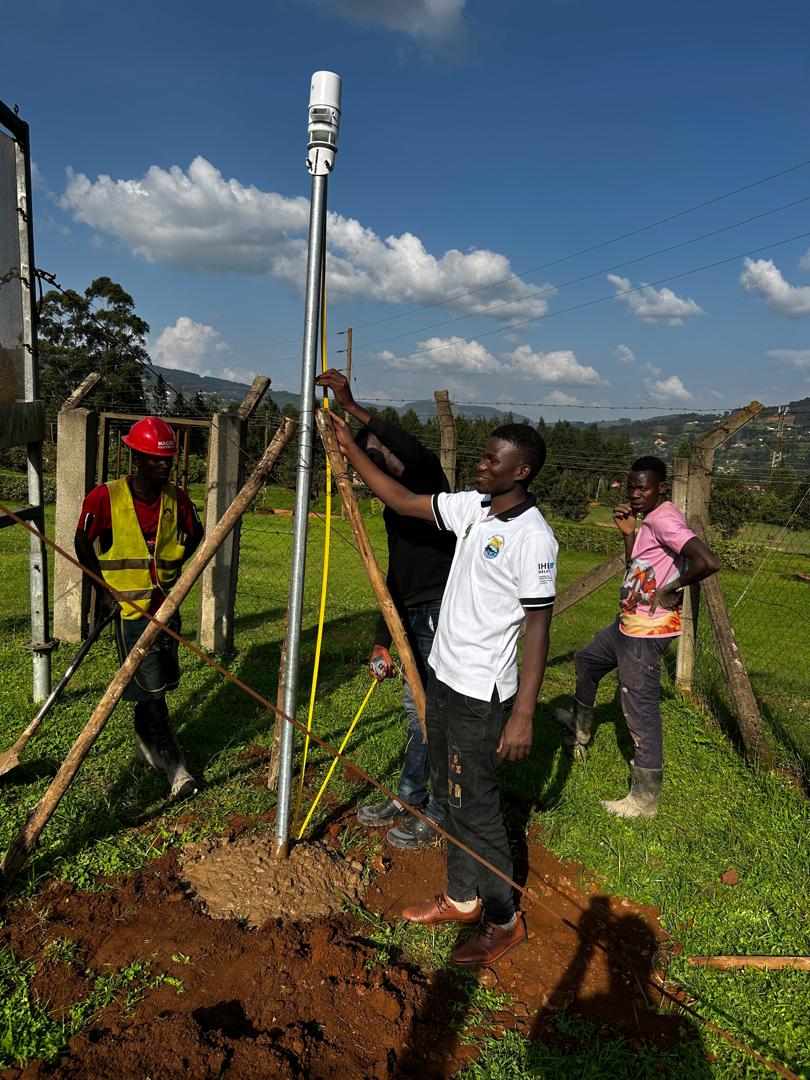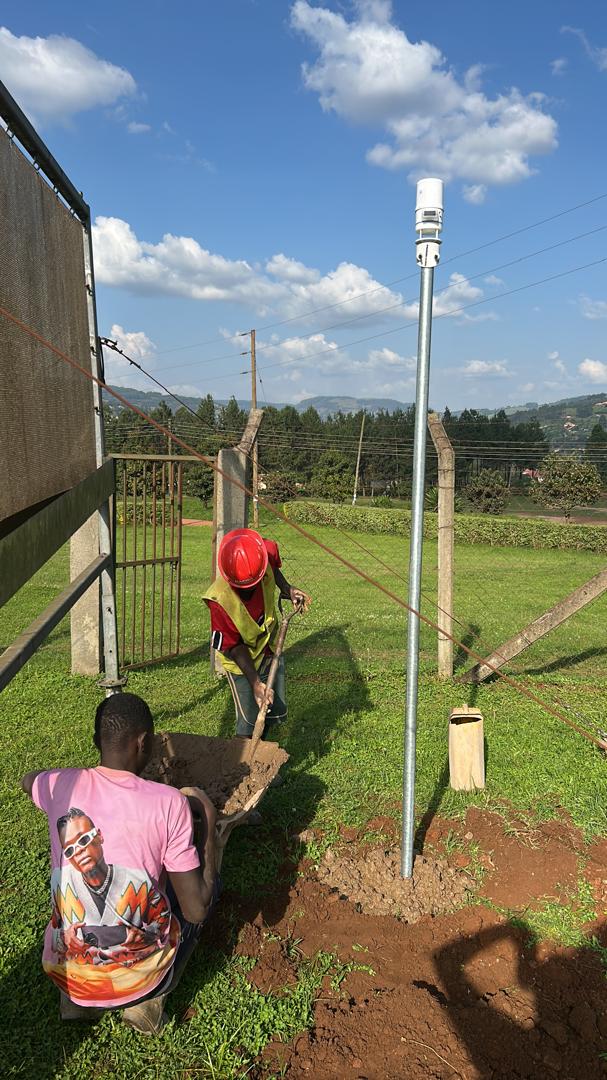
 Kabale University has strengthened its capacity for environmental monitoring and water resources research by acquiring and installing state-of-the-art scientific equipment under the KI-WATER project. The new infrastructure supports high-quality teaching, research, and environmental monitoring in the Kigezi Highlands, a region where reliable hydrological and climate data have historically been limited. A major milestone was the installation and operationalization of an automated weather station in November 2025. The ATMOS 41 weather station (METER Group) continuously measures key atmospheric variables including precipitation, solar radiation, air temperature, relative humidity, wind speed and direction, and atmospheric pressure. The measurements are transmitted in real time and made openly accessible through an online platform: https://beta.boku.ac.at/shiny/kabale-weather/. The platform provides interactive visualizations that allow users to explore current conditions, analyse historical trends, and download datasets for research and teaching. By providing real-time climate information from the Kigezi Highlands, the weather station fills an important regional data gap and supports both scientific research and practical decision-making.
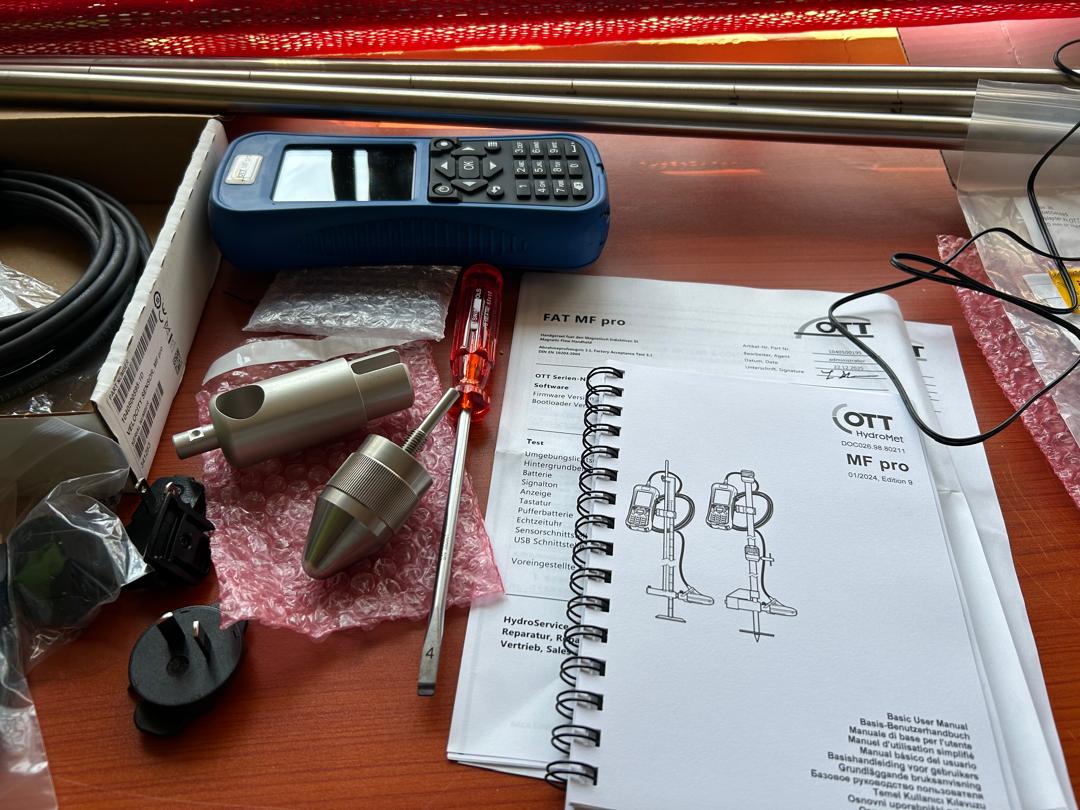
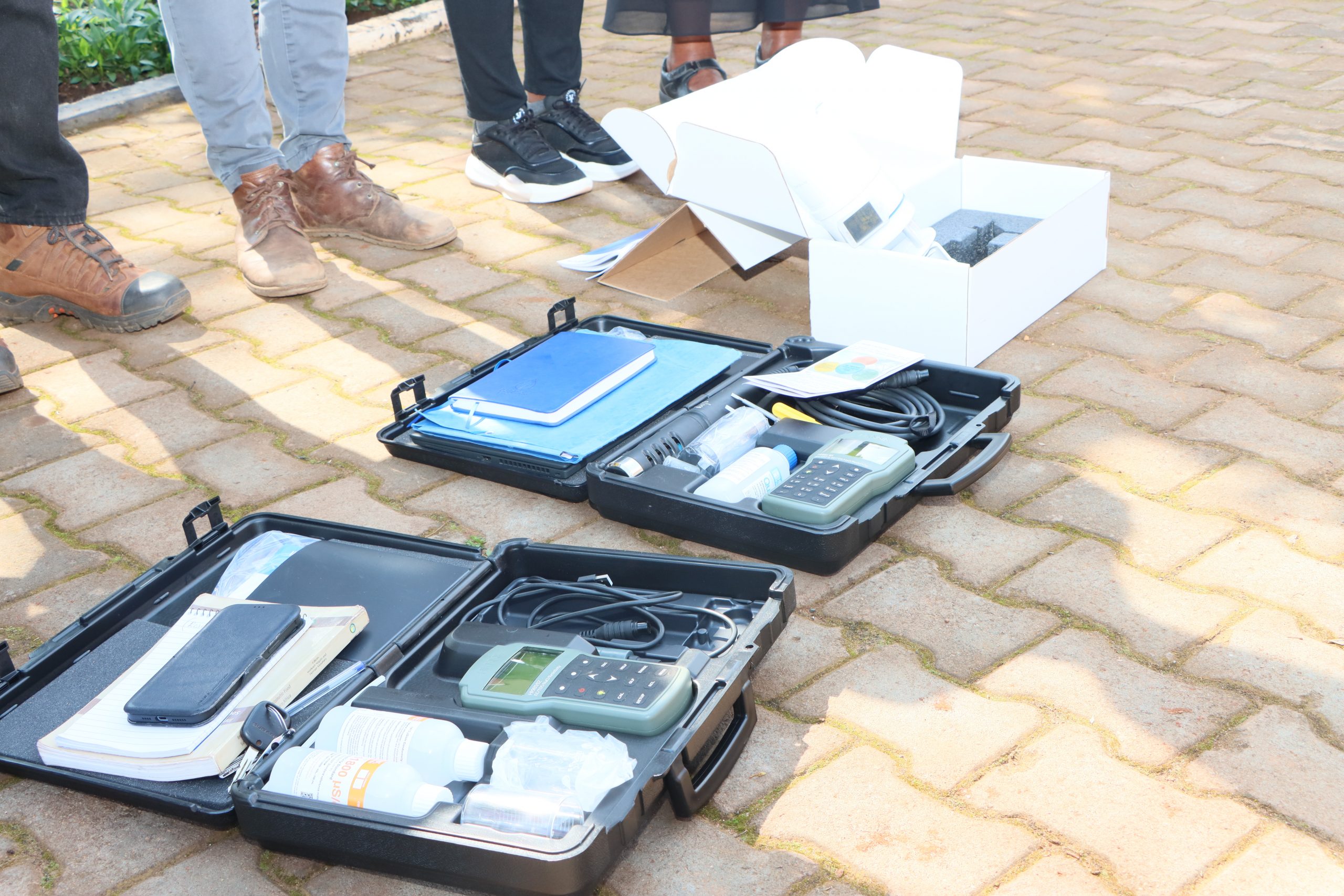
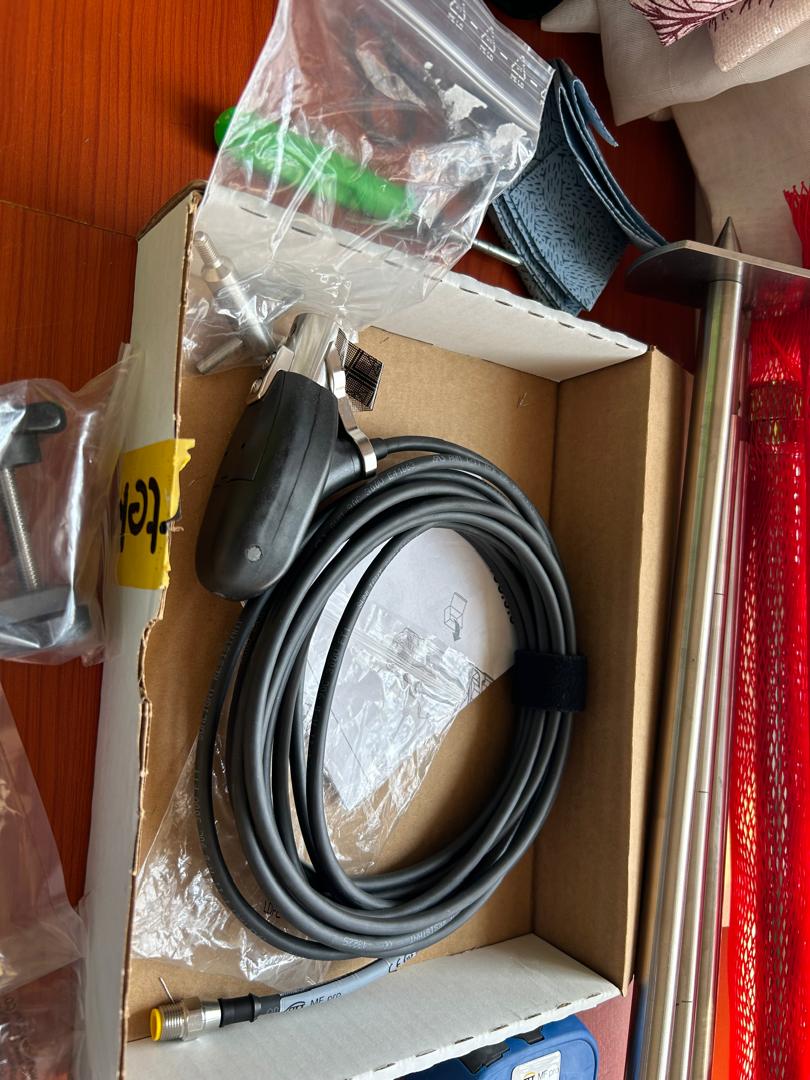
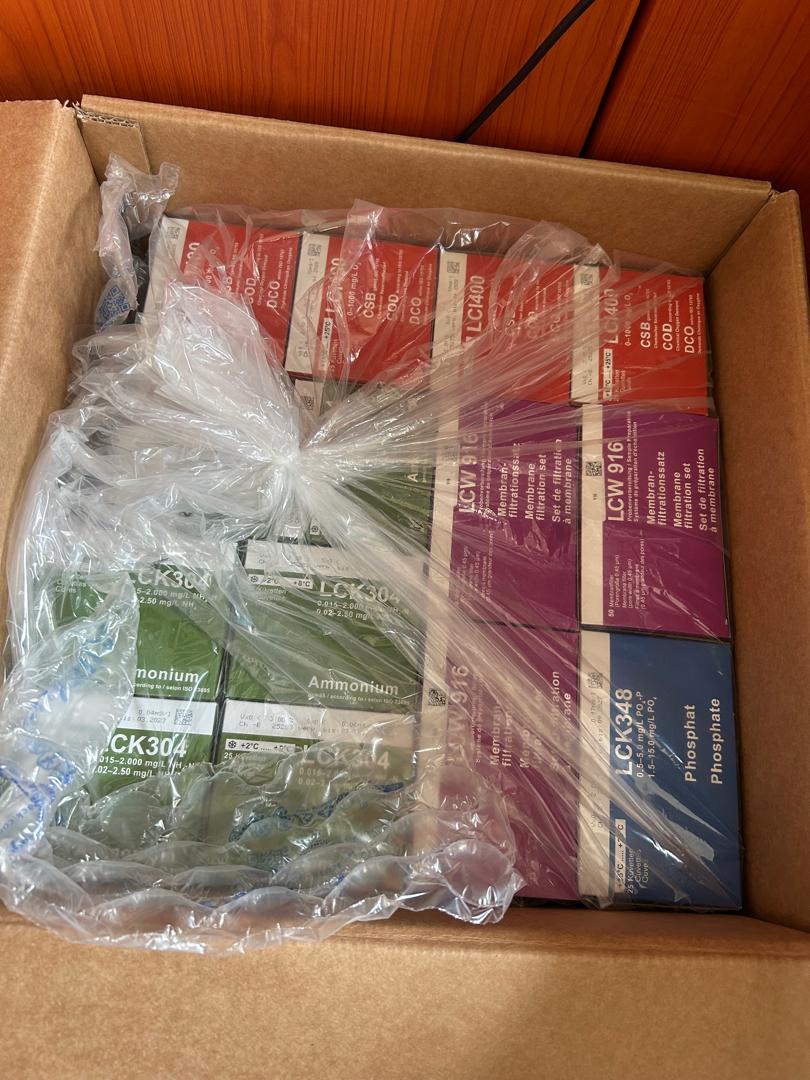
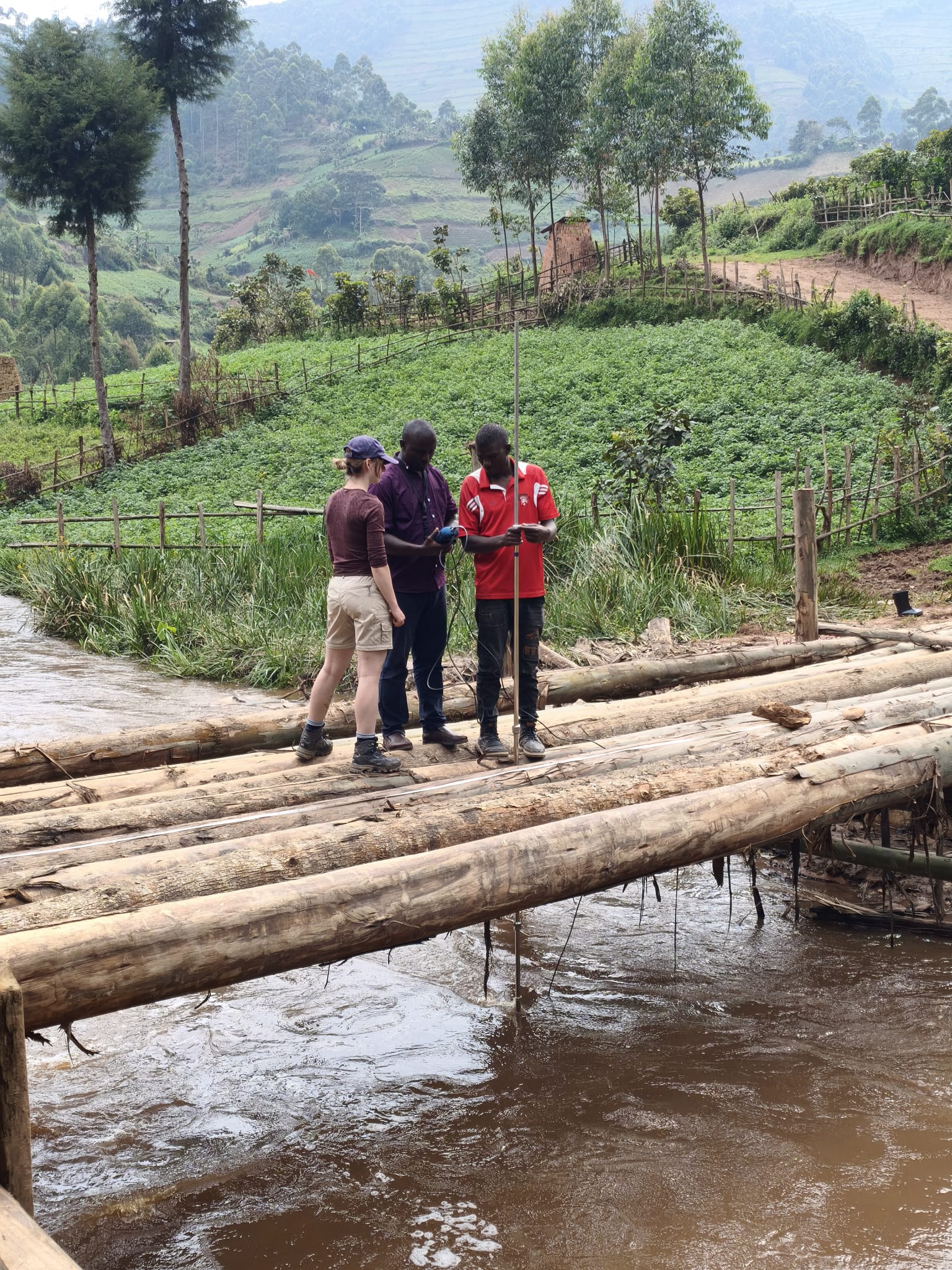
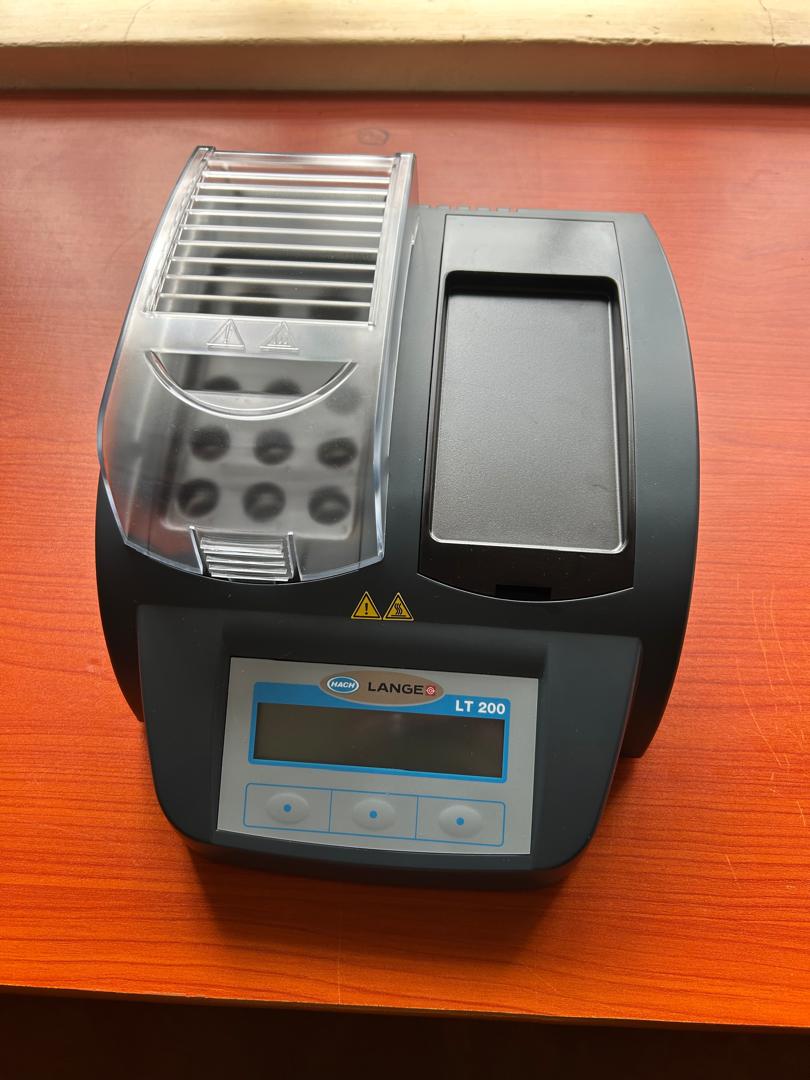
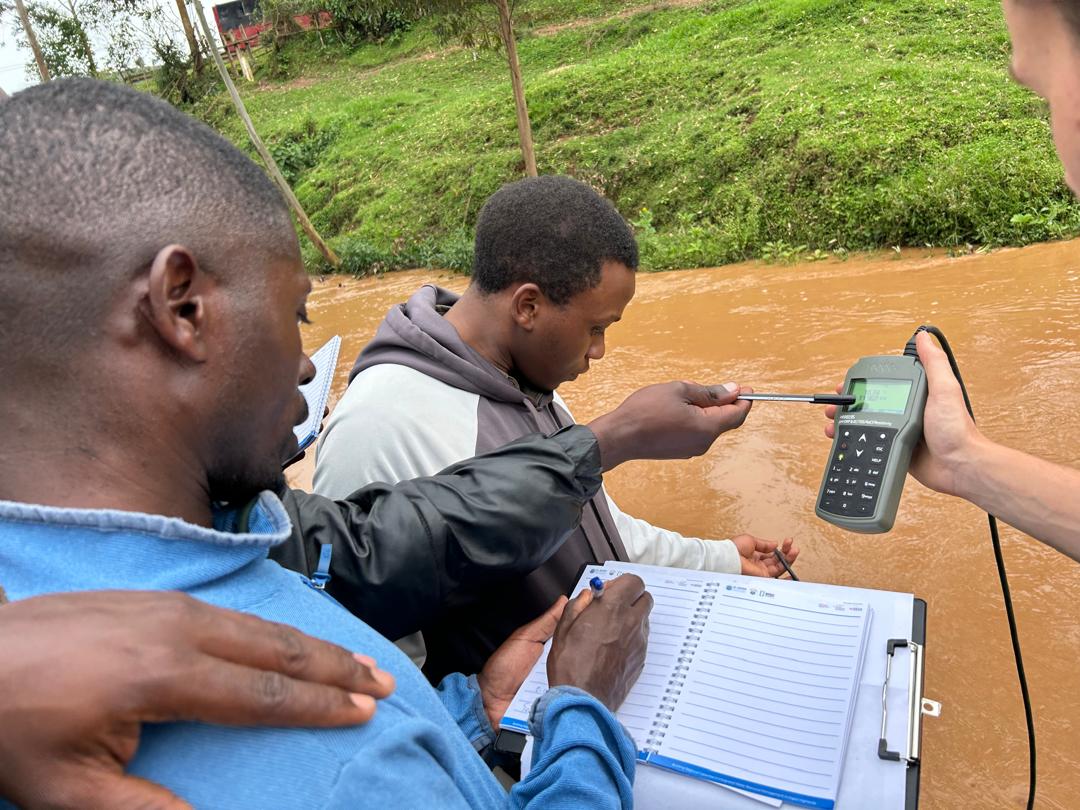
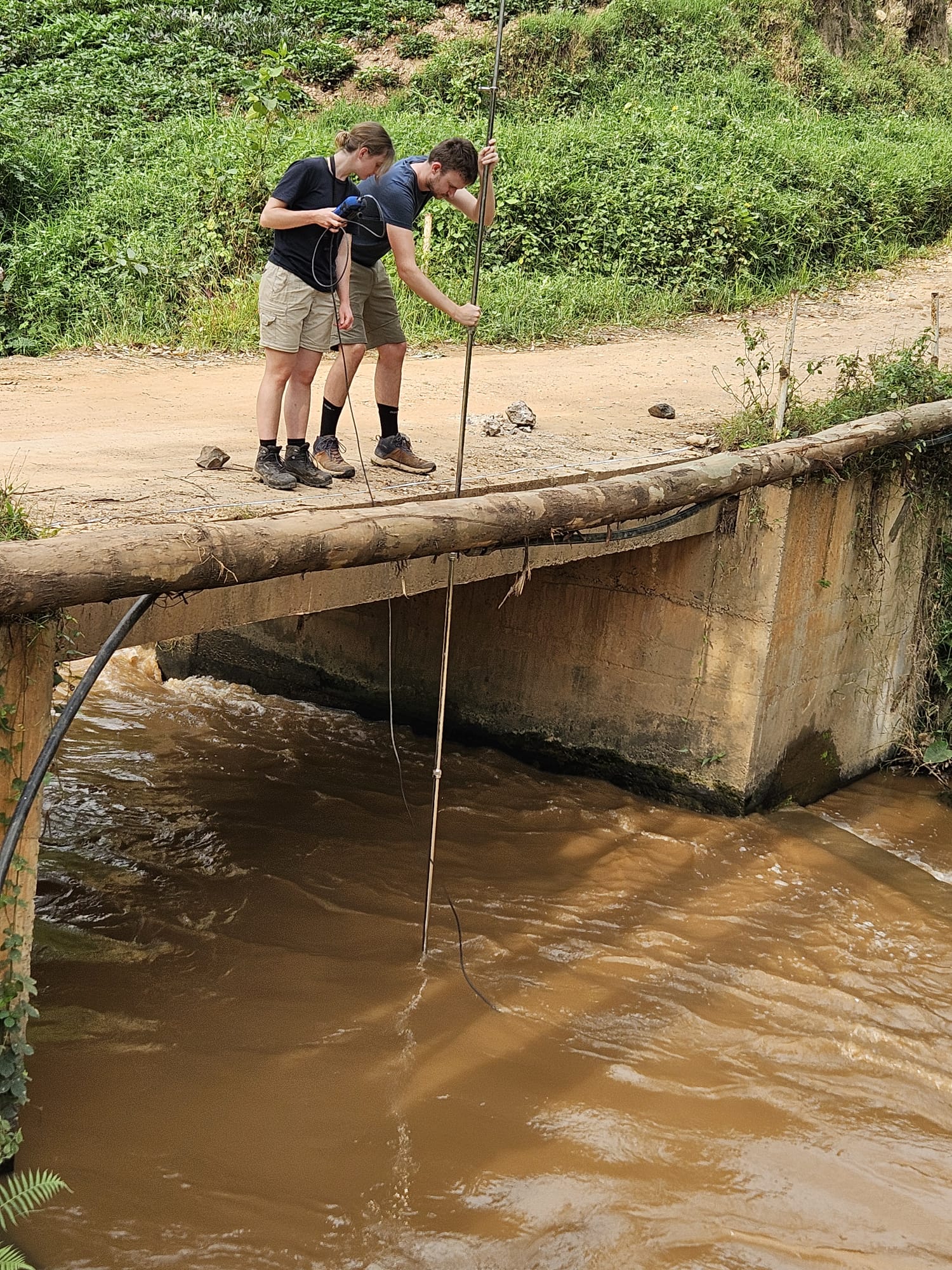
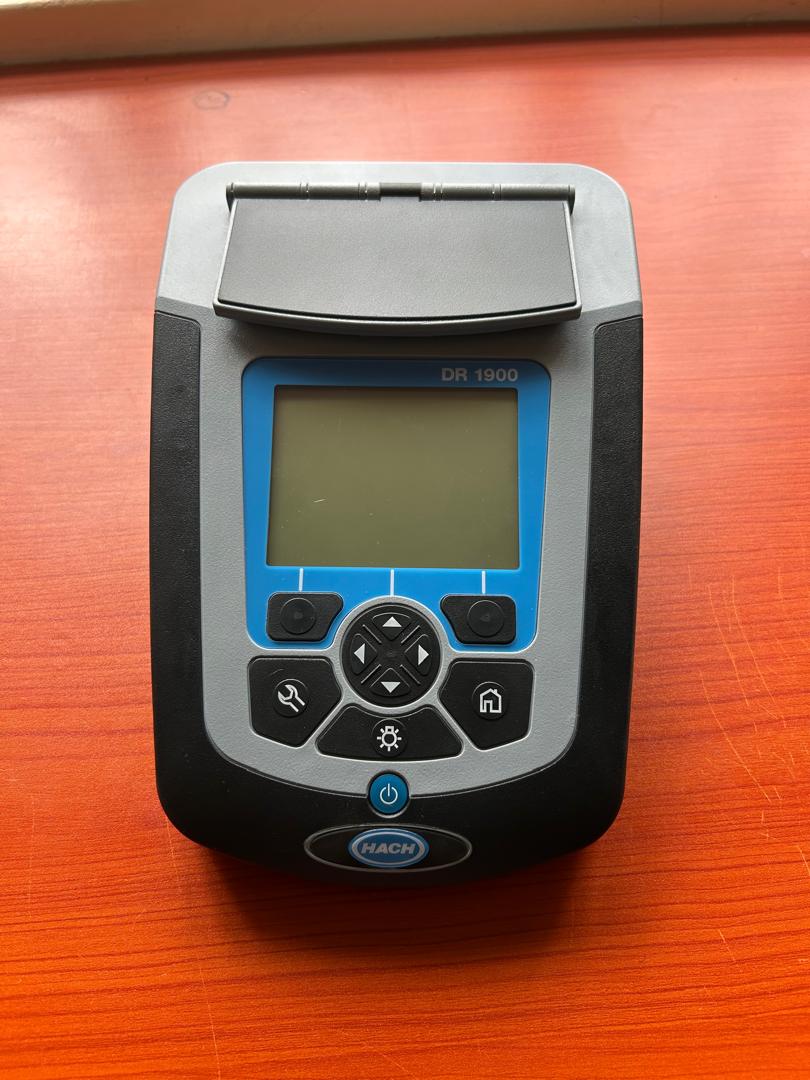
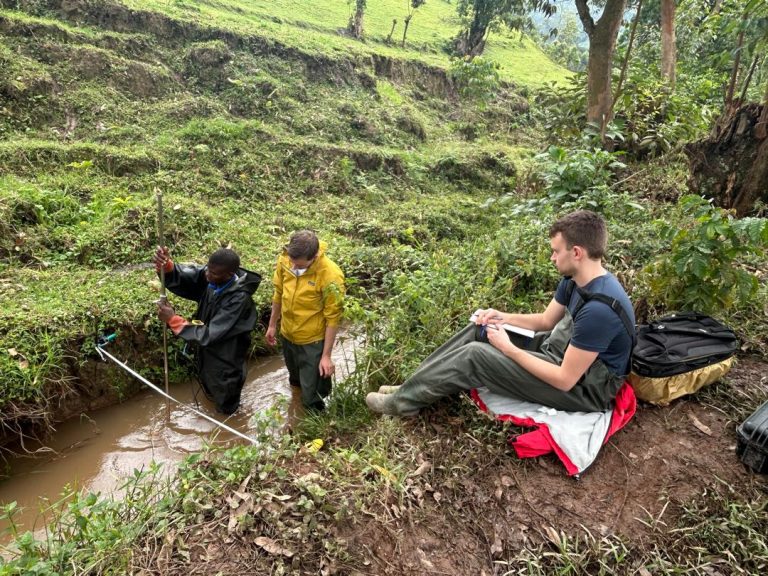
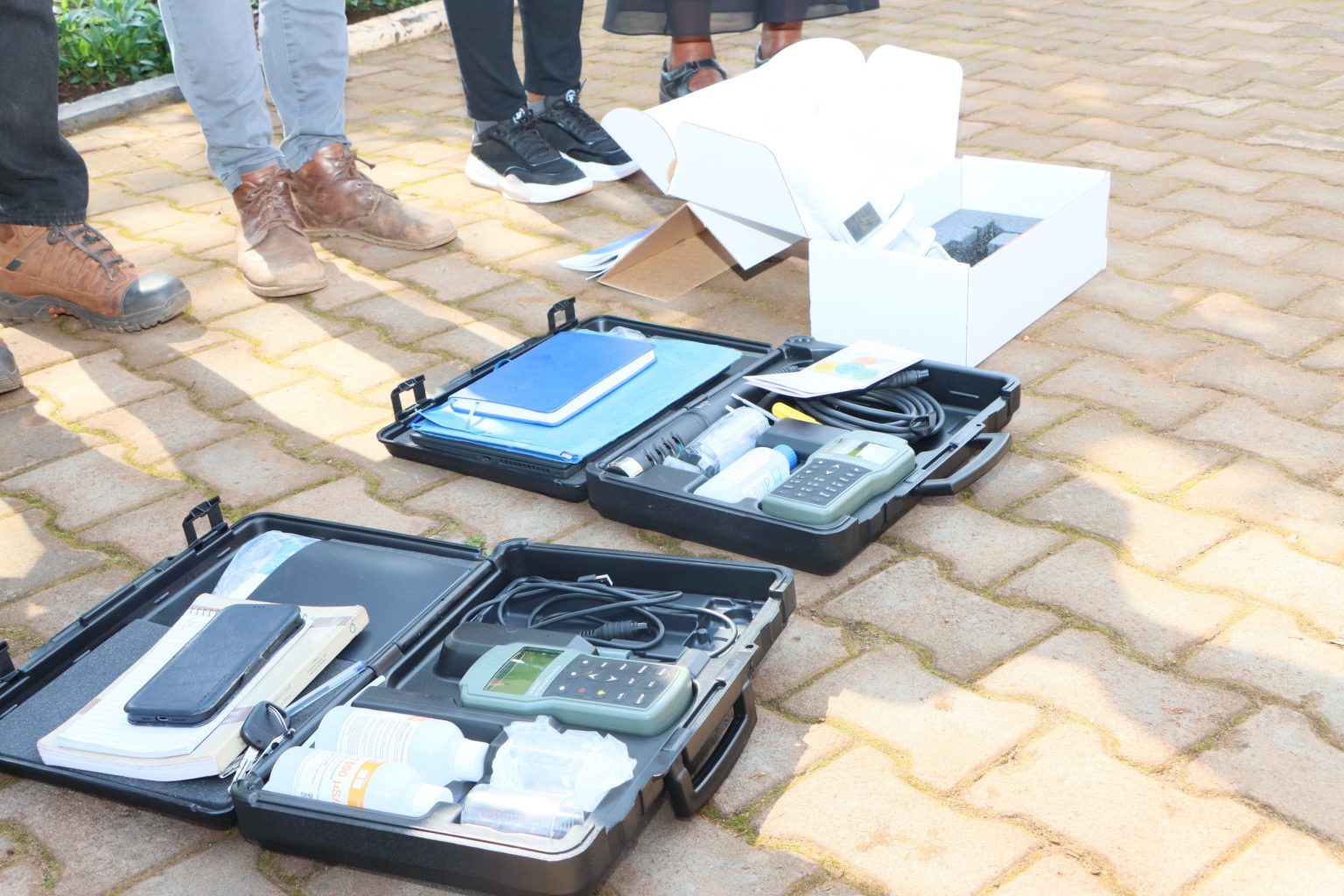
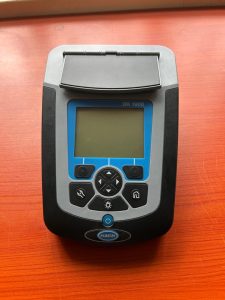
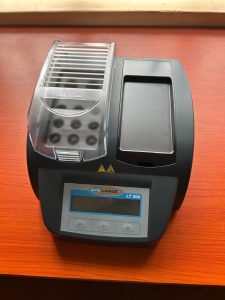 In addition to meteorological monitoring, the project has equipped the university with advanced hydrological and water-quality instruments. These include an OTTHYDROMET current meter (Model 1600000721) used to measure stream flow velocity during discharge measurements, Hanna Instruments multiparameter water-quality meters (HI98192 and HI98195) for monitoring Temperature [°C], electric conductivity, pH, Oxygen Reduction potential (ORP), Salts, and TDS, and a Hach DR1900 portable spectrophotometer for nutrient analysis. To keep dry while sampling and discharge measurements, we also acquired waders, which are already in use. Laboratory water-chemistry analyses will further be supported by an LT200 thermoreactor together with the necessary analytical reagents and consumables, which have been procured.
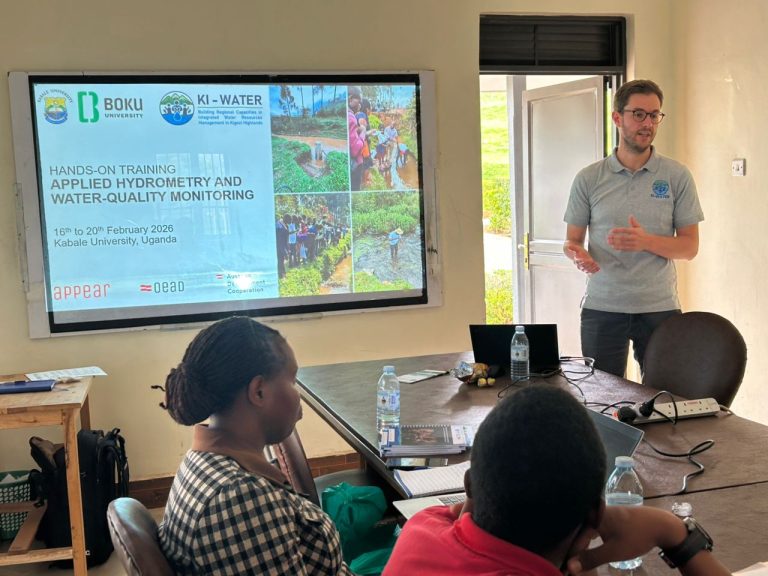
All these instruments allow Kabale University researchers and students to conduct integrated monitoring of climate conditions, river discharge, and water quality, generating reliable datasets essential for understanding the hydro-ecological dynamics of the Kigezi Highlands. The equipment also strengthens hands-on training for students in environmental sciences, hydrology, agriculture, and climate studies, allowing them to work with modern scientific tools while analysing data generated from their own region. Beyond its academic value, the monitoring infrastructure also benefits regional stakeholders. Open access to meteorological data and improved environmental monitoring will support evidence-based water resource management and climate adaptation efforts in southwestern Uganda. Over time, the continuous measurements will build an important long-term environmental dataset for the Kigezi Highlands, contributing to improved understanding of climate variability and freshwater ecosystem dynamics in the East African highlands.
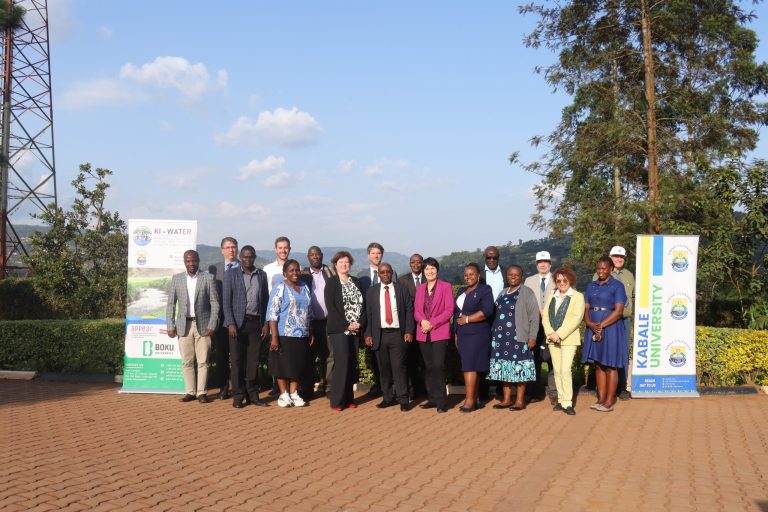
KAB gratefully acknowledges the scientific partnership with BOKU Vienna and the financial support of the Austrian Development Cooperation through the APPEAR Programme, which together are building the lasting capacity for integrated water management in Uganda.