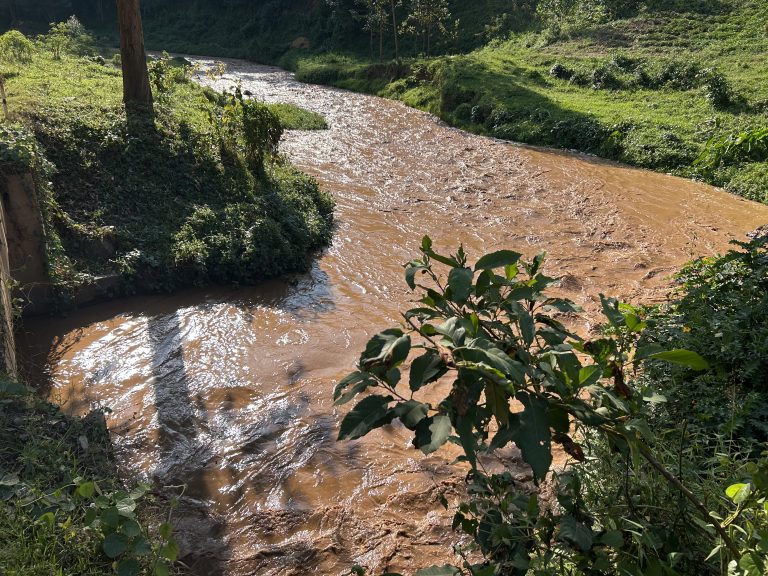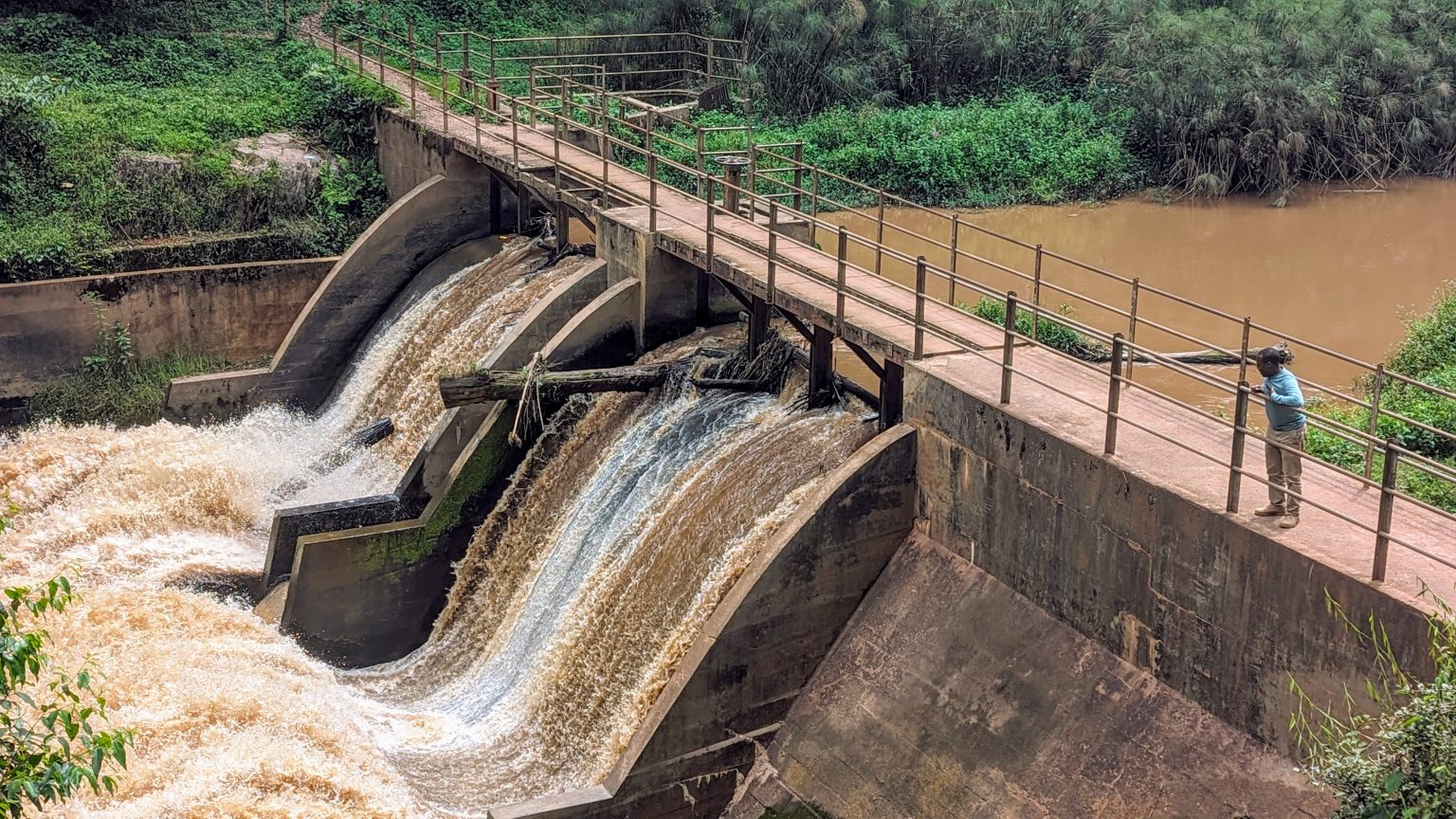
The project “Land Use and Land Cover Change Effects on Water Quality Characteristics of the Maziba Sub-Catchment, Western Uganda (MaziWa)” investigates how rapid population growth and land transformation are influencing water quality and soil erosion dynamics in one of southwestern Uganda’s critical catchments. Uganda’s population increased from 18 million in 1991 to over 46 million by 2020, a trend mirrored in the Maziba sub-catchment through expanding settlement, agriculture, and encroachment into natural ecosystems. These changes have accelerated agrochemical pollution, sediment loading, nutrient enrichment, and surface runoff, with direct implications for freshwater quality and ecosystem health.
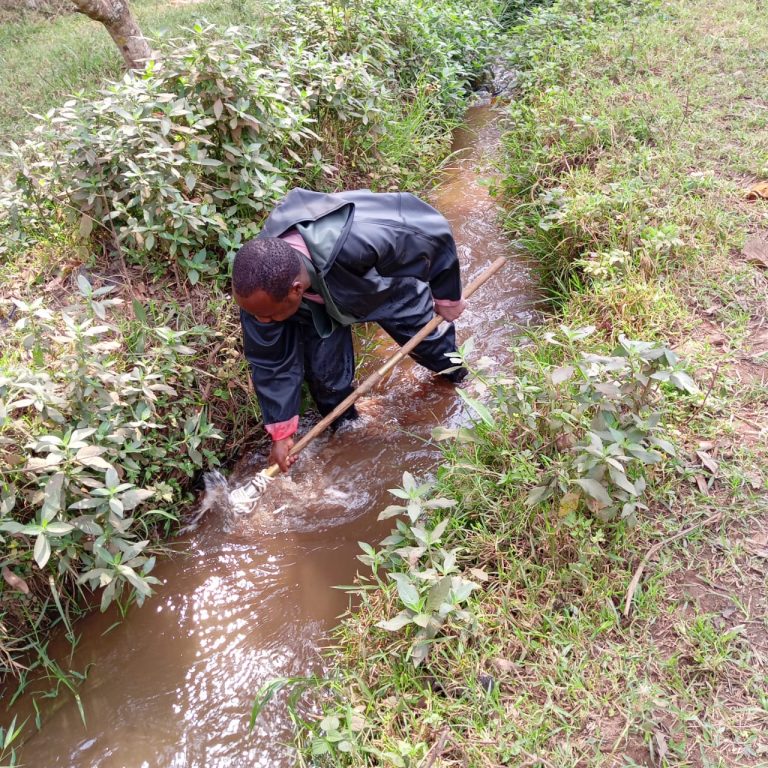
Despite the scale of these pressures, the linkages between land use and land cover change (LULC) and water quality characteristics remain poorly understood in the Maziba catchment and similar highland systems across southwestern Uganda. The MaziWa Project addresses this gap through integrated environmental monitoring, spatial analysis, and capacity building. The study analyses historical LULC changes (1991–2020), measures the spatio-temporal variation of physicochemical water quality parameters, and quantifies the effects of LULC on soil erosion and sediment delivery.
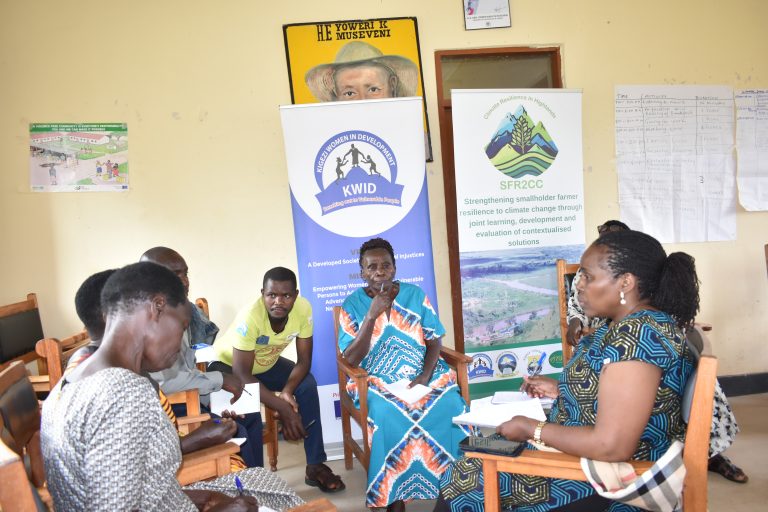
Alongside technical investigations, the project strengthens human and institutional capacity through training in geospatial analysis, hydrological assessment, and environmental monitoring tools. The resulting datasets establish a consistent scientific baseline for water quality and erosion dynamics, supporting improved land and water resource regulation, planning, and sustainable management in the Maziba sub-catchment.
Research outputs are disseminated through peer-reviewed scientific publications, as well as community-friendly leaflets and posters, ensuring that findings directly inform national environmental policies and contribute to the achievement of Sustainable Development Goals 2 (Zero Hunger), 3 (Good Health and Well-being), 6 (Clean Water and Sanitation), and 13 (Climate Action). The project is implemented in partnership with BOKU University, Vienna, with funding support from Africa UniNet.